Roof Leak After Heavy Rain? Here’s What Michigan Homeowners Should Do
A light rain passes through and everything seems fine.
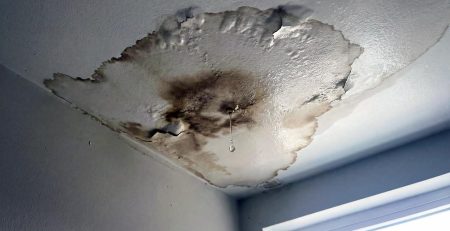
Then a long, heavy rain hits Michigan and suddenly there is a brown spot on the ceiling, a drip near a window, or damp insulation in the attic.
If you discover a roof leak after heavy rain, the rain itself may not be the real problem.
Heavy or wind-driven rain often exposes a weakness that was already present somewhere in the roofing system. A damaged shingle, worn flashing, clogged drainage area, failing seal, or another small opening may stay unnoticed during ordinary weather and begin leaking when enough water reaches it.
That is why a leak that only appears during a major storm should still be investigated.
The good news is that a roof leak does not automatically mean you need an entirely new roof. The cause may be isolated and repairable.
The first step is figuring out where the water is getting in and addressing it before another storm makes the problem worse.
Why Does My Roof Only Leak During Heavy Rain?
This is one of the most common questions homeowners have when a leak appears.
If the roof stays dry during light rain but leaks during heavier weather, several things could be happening.
More water may be flowing over a vulnerable area than it normally handles. Wind may also be pushing rain in a direction it does not usually travel.
Consider the difference between a gentle rain falling almost straight down and a thunderstorm with strong winds.
Wind-driven rain can reach flashing, vents, roof transitions, siding, windows, and other areas differently than normal rainfall.
Heavy rain also puts drainage systems to the test.
Gutters fill more quickly. Roof valleys carry larger volumes of water. Downspouts have to move more water away from the house.
A minor weakness that goes unnoticed most of the time can become obvious very quickly.
If the leak followed a strong storm, it is also worth knowing how to spot roof damage after severe Michigan weather. Missing shingles, damaged flashing, hail impacts, and wind damage are not always obvious from inside the home.
Common Causes of a Roof Leak After Heavy Rain
Finding the water inside your home does not always tell you where the leak started.
Water can enter the roofing system in one area, travel along decking, rafters, pipes, or other materials, and finally become visible several feet away.
That is one reason diagnosing roof leaks can be difficult.
Here are several common areas a roofing professional may investigate.
1. Damaged or Missing Shingles
Shingles form the primary exterior surface protecting your roof from rain.
When shingles crack, lift, loosen, or disappear completely, the layers underneath can become more vulnerable to moisture.
A single missing shingle may not immediately produce a dramatic leak during every rainfall.
During sustained heavy rain, however, enough water may reach the exposed area to reveal the problem.
Strong winds can also lift shingles without completely removing them. From the ground, everything may look normal even though a portion of the shingle is no longer sealing correctly.
If your leak began after severe weather, storm-related shingle damage is one of the areas worth checking.
2. Problems With Roof Flashing
Some of the most leak-prone parts of a roof are not the large open areas covered in shingles.
They are the transitions.
Flashing helps direct water away from places where the roof meets another surface or contains an opening.
You may find flashing around:
- Chimneys
- Plumbing vents
- Skylights
- Roof-to-wall connections
- Valleys
- Other roof penetrations
Over time, flashing can loosen, corrode, separate, or develop problems around the surrounding roofing materials.
A relatively small flashing problem can allow a surprising amount of water into a home during heavy rain.
3. Plumbing Vent Boots
Look at many residential roofs and you will see pipes extending through them.
These plumbing vents require a watertight seal where they pass through the roofing system.
The boot around a vent can crack, deteriorate, or separate as it ages.
Once that happens, rainwater may travel down around the pipe and into the attic.
Inside the home, the resulting water stain may appear near a bathroom or another location connected to plumbing, which sometimes leads homeowners to assume they have an interior plumbing leak.
The timing can provide an important clue.
If water appears only when it rains, the roof penetration should be investigated.
4. Roof Valleys
A valley is the area where two roof slopes meet.
These areas handle a significant amount of water because rain from both roof surfaces flows toward the same channel.
During a major rainstorm, that volume increases considerably.
Leaves, branches, granules, or other debris can interfere with drainage through the valley. Damage or installation problems can also create opportunities for water to enter the roofing system.
Because valleys carry so much water, problems there can become particularly noticeable during heavy rain.
5. Chimney Problems
A leak near a chimney does not necessarily mean the shingles around it are failing.
Chimneys involve several possible water entry points.
Flashing may be damaged.
Masonry can deteriorate.
Mortar joints may develop cracks.
Water can sometimes enter through the chimney itself.
This makes chimney-related leaks especially important to diagnose correctly. Repairing the wrong component will not solve the actual problem.
6. Skylights
A skylight creates another opening in the roof that needs to manage water correctly.
Leaks around skylights may come from damaged flashing, aging seals, installation problems, condensation, or issues with the skylight itself.
Again, the location of a ceiling stain does not provide the full diagnosis.
The surrounding roof and flashing need to be inspected to identify where the water is actually entering.
7. Clogged Gutters and Drainage Problems
Your gutters do not technically make the roof waterproof, but they play an important role in moving water away from it.
During heavy rain, clogged gutters can overflow.
Leaves, pine needles, roofing granules, sticks, and other debris may prevent water from reaching the downspout.
Overflowing water can affect fascia, soffits, siding, foundations, and areas near the roof edge.
Fall is an especially important time to watch for this in Michigan as leaves accumulate quickly.
Keeping gutters clear is one of the simplest forms of preventative roof maintenance homeowners can handle. Following a few additional roofing maintenance tips throughout the year can also help you catch small problems before they contribute to leaks or larger repairs.
What Should You Do When You Notice a Roof Leak?
Once you see water inside the house, protecting the interior becomes the immediate priority.
You do not need to solve the roofing problem yourself.
In fact, during a storm is one of the worst times to climb onto a roof.
Instead, focus on what you can do safely inside the home.
Contain the Water
Place a bucket, container, or towels beneath the leak.
Move furniture, electronics, rugs, and valuables away from the area.
If water is dripping near electrical fixtures or wiring, avoid the area and take appropriate electrical safety precautions.
Document What You See
Take photos or video of:
- The water entering the home
- Ceiling stains
- Wet drywall
- Damaged belongings
- Damp attic areas if they can be reached safely
- Any visible exterior damage you can photograph from the ground
“A roofer should trace the likely water path and evaluate the roofing components around it. That is especially important with intermittent leaks because reproducing the exact conditions that caused them can be difficult once the storm has passed.”
Documentation can be useful when discussing the problem with a roofer and may also be helpful if the damage resulted from a covered weather event and you later speak with your insurance company.
Look in the Attic If It Is Safe
If you have safe attic access, take a look while the leak is active.
You may be able to see wet decking, dripping water, damp insulation, or moisture around a vent or penetration.
Do not walk across areas that are not designed to support your weight.
You also should not assume the first wet spot you see is the exact location where water entered the roof.
Water travels.
The attic inspection simply gives you more information.
Schedule a Roof Inspection
Once conditions are safe, have the roof evaluated.
A roofing professional can inspect shingles, flashing, vents, valleys, roof penetrations, gutters, and other likely problem areas.
The goal is to diagnose the source rather than simply treat the visible water stain inside the house.
Should You Climb Onto the Roof to Find the Leak?
No.
Homeowners can learn quite a bit from a ground-level inspection.
Walk around the property after the weather clears and look for obvious changes such as:
- Missing shingles
- Shingles or pieces of roofing material in the yard
- Tree limbs on the roof
- Damaged gutters
- Loose exterior materials
- Debris collecting on the roof
- Visible damage around the roof edge
Binoculars can help you get a closer look while staying safely on the ground.
Leave the roof itself to someone with the proper equipment and experience.
A wet roof is slippery, and damage may make certain areas less stable than they appear.
Does a Roof Leak Mean You Need a New Roof?
Not always.
Many roof leaks can be repaired.
If a relatively young roof is in good overall condition and the leak comes from one isolated problem, repairing that area may be the appropriate solution.
Examples might include a damaged vent boot, isolated shingle damage, or a specific flashing issue.
Replacement becomes a more serious consideration when the leak is part of a larger pattern.
For example:
- The roof is already near the end of its useful life
- Shingles are deteriorating across multiple areas
- Leaks have occurred repeatedly
- Previous repairs are beginning to fail
- Multiple roof components show significant wear
- Storm damage affects a large portion of the roof
If several of these issues are present, review the common roof replacement signs Michigan homeowners should watch for. Age, widespread shingle deterioration, recurring leaks, granule loss, and repeated repairs can all help determine whether another repair still makes sense.
That is why you should be cautious about diagnosing the entire roof based on one leak.
An inspection can help determine whether you have a repair problem or a roofing system that is beginning to fail more broadly.
Why You Should Not Ignore a Small Roof Leak
A small ceiling stain can be easy to dismiss once the rain stops.
The stain dries.
The dripping stops.
Everything seems normal again.
But the opening that allowed water into the home may still be there.
The next heavy rain can send more water through the same area.
Repeated moisture exposure can affect:
- Roof decking
- Rafters and framing
- Insulation
- Drywall
- Ceilings
- Paint
- Interior finishes
Moisture in concealed areas can also be difficult to notice immediately.
The earlier you identify the source, the better your chances of limiting damage to the roofing system and interior of the home.
This becomes particularly important heading into a Michigan winter.
An area that already allows rainwater to enter may also become vulnerable when snow begins to accumulate and melt. Familiarizing yourself with the signs of winter roof leaks can help you recognize moisture problems that show up differently once temperatures drop.
What If the Leak Happened After a Storm?
If your leak appeared immediately after strong winds, hail, falling branches, or another significant weather event, take note of when it happened.
Storm damage and normal roof deterioration are not the same thing.
Wind may remove or lift shingles.
Hail may damage roofing materials.
Falling branches can create direct physical damage.
Do not assume every leak after a storm qualifies as an insurance claim, though.
Coverage depends on your policy, the cause of the damage, the condition of the roof, and your insurer’s determination.
The best first step is understanding what actually happened to the roof.
If you suspect storm damage, document what you can see and have the roof inspected.
Why Finding the Source of a Roof Leak Matters
It may be tempting to treat the spot where water appears inside the home.
That does not fix the roof.
Painting over a stain, replacing a piece of drywall, or adding sealant to the first exterior area that looks suspicious can hide the symptoms while leaving the source untouched.
Roof leaks require diagnosis.
The water may be entering several feet away from the visible stain.
A roofer should trace the likely water path and evaluate the roofing components around it.
That is especially important with intermittent leaks because reproducing the exact conditions that caused them can be difficult once the storm has passed.
The more information you can provide about when, where, and under what conditions the leak appeared, the easier it may be to narrow down the cause.
If the inspection determines that the roofing system has reached the point where replacement makes more sense than another repair, cost will naturally become part of the decision. Our guide to roof replacement cost in Michigan explains the major factors that influence the price of a new roof.
FAQs About Roof Duration in Michigan
Heavy rain creates a greater volume of water and may expose small vulnerabilities that stay dry during lighter rain. Wind-driven rain can also reach flashing, vents, valleys, and roof transitions differently than normal rainfall.
Yes. Roof leaks can develop around flashing, vents, chimneys, skylights, valleys, deteriorated seals, and other roof penetrations even when the shingles appear intact.
A small leak may not require an emergency roof replacement, but it should be investigated promptly. Water can travel through the roofing system and damage insulation, decking, drywall, ceilings, and other materials before the full extent of the problem becomes obvious.
Clogged gutters can cause water to overflow and contribute to moisture problems around roof edges, fascia, soffits, and other parts of the home. Keeping gutters and downspouts clear helps water drain away from the roofing system and foundation properly.
It depends on what caused the leak. Damage from a sudden covered weather event may be treated differently from deterioration caused by age or normal wear. Document the damage, review your policy, and determine the source of the roofing problem before assuming it is covered.
You may be able to identify signs of moisture from inside the attic or visible damage from the ground, but locating the actual entry point can be difficult because water often travels before it becomes visible. Avoid climbing onto a wet or damaged roof.
No. Many isolated roofing problems can be repaired. The decision between repair and replacement depends on the roof’s age, overall condition, extent of the damage, history of leaks, and whether the problem is limited to one area or widespread.
Stop a Roof Leak Before the Next Michigan Storm
A roof leak after heavy rain is a sign that something in the roofing system needs attention, even if the dripping stops once the weather clears. The problem may be as simple as damaged flashing or a few shingles, or it may point to a larger issue with an aging or storm-damaged roof. Finding the source early can help prevent additional damage to your roof, attic, ceilings, insulation, and the rest of your home.
Legend Roofing provides roof inspections, repairs, and roof replacements throughout Grand Rapids and communities across West Michigan. If you noticed a roof leak after heavy rain, water stains on your ceiling, or moisture in your attic, contact Legend Roofing to schedule an inspection and find out what is causing the problem before the next storm arrives.