How Long Does a Roof Last in Michigan?
Most homeowners know their roof will eventually need to be replaced. The harder question is figuring out when.
If you bought a home with an existing roof, you may not know exactly when it was installed. Even if you do know its age, two roofs installed in the same year can age very differently.
So, how long does a roof last in Michigan?
For a typical asphalt shingle roof, homeowners often hear estimates in the range of 20 to 30 years. That is a useful starting point, but it is not an expiration date.
Michigan weather, installation quality, ventilation, sun exposure, maintenance, storm damage, and even the direction your roof faces can all affect how long it actually lasts.
A well-installed roofing system that gets proper ventilation and routine attention can perform much differently than a roof of the same age that has spent years dealing with moisture, poor airflow, loose shingles, or repeated storm damage.
Instead of judging your roof by age alone, it helps to understand what causes roofs to age and what signs tell you yours may be getting close to replacement.
How Long Does an Asphalt Shingle Roof Last in Michigan?
Asphalt shingles are the most common residential roofing material in Michigan.
Depending on the type of shingle, quality of installation, ventilation, and conditions the roof experiences, an asphalt shingle roof can often provide decades of service.
The important word is can.
A roof does not suddenly fail because it reaches a certain birthday. Aging happens gradually.
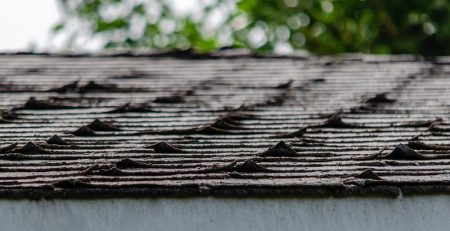
As shingles get older, they can lose granules, become more brittle, develop cracks, loosen at the edges, or become more vulnerable to wind. Sealants and flashing can also deteriorate over time.
That is why a 15-year-old roof should not automatically be considered old, just as a 25-year-old roof should not automatically be considered safe for another five years.
Condition matters just as much as age.
If your roof is getting older, it is worth learning the signs that your roof may not make it through another Michigan winter. Aging shingles, recurring leaks, granule loss, and other visible changes can provide useful clues about how much life the roof may have left.
Why Michigan Weather Can Shorten a Roof’s Lifespan
Michigan roofs have a difficult job.
They have to withstand hot summer temperatures, heavy rain, thunderstorms, wind, snow, ice, freezing temperatures, and repeated changes between warm and cold weather.
In West Michigan, conditions can change quickly.
Those seasonal swings matter because roofing materials expand and contract as temperatures change. Over many years, that movement can contribute to wear around shingles, flashing, fasteners, vents, and other roof components.
Winter creates its own problems.
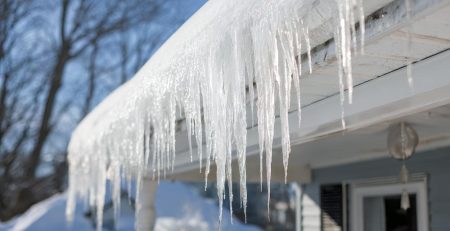
Snow may remain on a roof for extended periods. Ice can form near roof edges. Melting snow can expose small weaknesses that were not obvious during dry weather.
Then spring arrives with rain, wind, and storms.
Summer brings heat and direct sunlight.
Fall adds leaves, moisture, wind, and clogged gutters.
One season is not necessarily enough to damage a properly installed roof. The concern is the cumulative effect of Michigan weather over 15, 20, or 25 years.
Severe weather can also accelerate the process. After a major storm, homeowners should know how to spot roof damage from wind, hail, and heavy rain, especially if the roof is already several years old.
That is also why homeowners should pay attention to their roof throughout its life instead of waiting for a leak.
The Quality of the Original Installation Matters
Roofing materials are only one part of a roofing system.
The quality of the installation has a major influence on how well the roof performs over time.
Shingles need to be installed correctly. Flashing needs to protect areas where water is most likely to enter. Valleys, vents, penetrations, edges, and transitions all require careful attention.
A roofing system also includes components underneath the shingles that you normally cannot see from the ground.
Problems caused by poor installation may not appear immediately. A roof can look perfectly fine after installation and still develop premature issues several years later.
That is one reason choosing an experienced roofing contractor matters.
The goal should not simply be to put new shingles on the house. The entire roofing system needs to work together to move water away from the home and protect the structure underneath.
Attic Ventilation Can Affect How Long Your Roof Lasts
One of the most overlooked factors in roof longevity is what is happening underneath it.
Your attic needs proper airflow.
Without adequate ventilation, excessive heat and moisture can build up in the attic. That can affect both the roof deck and the roofing materials above it.
During summer, attic temperatures can climb significantly.
During winter, warm air from inside the home can contribute to uneven snow melt on the roof. That can create conditions that encourage ice buildup near the colder edges of the roof.
Moisture is another concern.
An attic that stays damp may eventually experience condensation, wet insulation, mold growth, or deterioration of wood components.
A roofing inspection should look beyond the shingles whenever there is reason to suspect an airflow or moisture problem.
Replacing shingles without addressing an underlying ventilation issue may leave the new roof dealing with the same conditions that contributed to the old roof’s problems.
Sun Exposure Does Not Affect Every Roof the Same Way
Take a look at your roof and you may notice one section appears more worn than another.
That is normal.
Roof slopes that receive more direct sunlight can experience more heat and ultraviolet exposure over time. Other sections may remain shaded and hold moisture longer.
Trees can make the difference even more noticeable.
A shaded section may collect leaves, pine needles, branches, or other debris. If debris remains wet, moisture may stay against the shingles longer than it does on open sections of the roof.
This is one reason the overall condition of the roofing system matters more than simply knowing the installation date.
Different parts of the same roof can age at different rates.
Storm Damage Can Change the Timeline
You may expect an asphalt shingle roof to provide many years of service and still run into trouble much earlier because of a storm.
High winds can lift or remove shingles.
Hail can damage the surface of shingles.
Falling limbs can cause direct impact damage.
Wind-driven rain can find vulnerable areas around flashing, vents, valleys, or damaged shingles.
Storm damage does not always mean a roof needs to be replaced. Some problems can be repaired.
The important thing is identifying the damage before it has time to create a larger moisture problem.
After severe weather, homeowners can perform a visual check from the ground. Look for missing shingles, pieces of roofing material in the yard, damaged gutters, fallen branches, or anything else that appears different.
Avoid climbing onto the roof yourself.
If something does not look right, a professional inspection can determine whether you are dealing with a small repair or a more significant issue.
Maintenance Can Help You Get More Life From Your Roof
You cannot stop a roof from aging, but you can prevent avoidable problems from shortening its life.
One of the simplest things homeowners can do is keep gutters and downspouts clear.
When gutters become clogged, water cannot drain away from the home properly. Leaves and other debris can also accumulate in roof valleys or against roof features and hold moisture.
Trees near the home deserve attention too.
Branches that rub against the roof can damage shingles. Larger branches can cause significant damage if they fall during a storm.
It also helps to watch for small changes around your home.
A missing shingle, loose flashing, small water stain, damaged gutter, or minor leak may not seem urgent at first. Addressing it early can prevent a much larger repair later.
Following a few basic roofing maintenance tips throughout the year can help protect the roof and make it easier to catch small problems before they become expensive ones.
“If your roof is getting older and you are unsure about its condition, having it inspected can give you a much better idea of whether you have several years left, need a repair, or should begin planning for replacement.”
What Are the Signs an Older Roof Is Reaching the End of Its Life?
Age becomes more meaningful when it appears alongside physical signs of deterioration.
Some common warning signs include:
- Missing or loose shingles
- Cracked shingles
- Curling or lifted shingle edges
- Significant granule loss
- Bare or worn-looking areas
- Repeated roof leaks
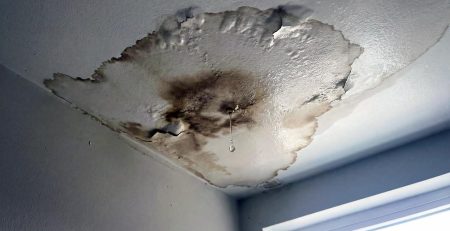
- Water stains in ceilings or walls
- Damp areas in the attic
- Damaged or deteriorated flashing
- Sections of the roof that appear uneven
- Frequent repairs in different areas of the roof
One isolated problem does not automatically mean you need a new roof.
For example, replacing a few shingles after a storm may make perfect sense on an otherwise healthy roofing system.
The situation changes when repairs become frequent or deterioration appears across a large portion of the roof.
At that point, continuing to repair individual areas can become less practical.
Should You Replace a Roof Just Because It Is 20 Years Old?
Not necessarily.
Age should trigger closer attention, not an automatic replacement.
If your roof is approaching 20 years old and still appears to be performing well, an inspection can give you a much clearer idea of its condition.
On the other hand, you should not assume a younger roof is problem-free simply because of its age.
Installation problems, storm damage, ventilation issues, falling branches, or other conditions can cause roofing problems well before the expected end of its service life.
Think of age as one piece of the puzzle.
The bigger question is whether the roofing system is still doing its job.
If you are beginning to think replacement may be approaching, our guide on when to replace a roof in Michigan explains how roof condition, seasonal timing, repairs, and age all factor into the decision.
Repair or Replace an Aging Roof?
This is where the decision becomes more specific to the house.
A repair may make sense when:
- Damage is limited to a small area
- The rest of the roof remains in good condition
- A storm caused an isolated problem
- Flashing or another specific component needs attention
- The roof still has meaningful service life remaining
Replacement becomes more likely when:
- Deterioration is widespread
- The roof has repeated leaks
- Shingles are failing in multiple areas
- Repairs are becoming frequent
- The roof is already near the end of its expected life
- Problems extend beyond a single damaged section
There is no universal age at which repair stops making sense.
That is why a physical inspection is more useful than trying to make the decision based only on the year the roof was installed.
What If You Do Not Know How Old Your Roof Is?
This is common, especially if you purchased an older home.
Start with any records you received when you bought the house.
A seller’s disclosure, home inspection, roofing invoice, warranty paperwork, permit record, or previous insurance documentation may provide clues.
If you still cannot determine the age, a roofer can evaluate its general condition.
An inspection will not necessarily identify the exact installation year, but the condition of the shingles and roofing components can provide useful information about where the roof may be in its lifespan.
More importantly, you will know whether there are current concerns that need attention.
Do Not Wait for a Leak to Think About Roof Replacement
Many homeowners treat a roof leak as the signal that a roof has officially failed.
You do not have to wait that long.
Planning before an emergency gives you more time to evaluate contractors, compare options, select materials, understand costs, and choose a schedule that works for you.
It can also reduce the risk of discovering a roof problem after water has already damaged insulation, drywall, ceilings, or other parts of the home.
Michigan homeowners should also pay attention to seasonal warning signs. Knowing the signs of winter roof leaks can help you recognize a problem before moisture spreads farther into the home.
If your roof is getting older and you are unsure about its condition, having it inspected can give you a much better idea of whether you have several years left, need a repair, or should begin planning for replacement.
Get a Better Idea of How Much Life Your Roof Has Left
So, how long does a roof last in Michigan?
There is no single number that applies to every home.
Material quality, installation, ventilation, storms, maintenance, sun exposure, moisture, and Michigan weather all play a role.
If your roof is approaching the age when replacement becomes a concern, do not rely only on the calendar.
Look at its condition.
Legend Roofing works with homeowners throughout Grand Rapids and communities across West Michigan to inspect, repair, and replace residential roofing systems.
If you are unsure how much life your roof has left, schedule a roof inspection. Knowing where things stand now can make it much easier to plan what comes next.
FAQs About Roof Duration in Michigan
Many asphalt shingle roofs can provide roughly 20 to 30 years of service, but actual lifespan varies. Installation quality, shingle type, attic ventilation, storms, maintenance, sun exposure, and other conditions can shorten or extend the useful life of a roof.
It is possible for some roofing systems to remain serviceable beyond 30 years, depending on the roofing material, installation, maintenance, and conditions. Homeowners should judge an older roof by its condition rather than assuming it is safe solely because it has not started leaking.
You do not need to wait until your roof reaches a specific age. Inspections are particularly useful after severe weather, when you notice visible changes, or as an older roof begins approaching the later part of its expected service life.
Snow alone does not necessarily damage a properly installed roofing system. However, repeated snow accumulation, melting, refreezing, ice buildup, moisture, and freeze-thaw cycles can expose or worsen weaknesses in an aging or damaged roof.
The answer depends on the extent of the damage, condition of the rest of the roof, age of the system, and whether problems are isolated or widespread. A few damaged shingles may be repairable, while widespread deterioration or repeated leaks may make replacement more practical.
Yes. Inadequate attic ventilation can contribute to excessive heat and moisture buildup. Over time, those conditions can affect roofing materials, insulation, roof decking, and overall roof performance.
Sometimes. If an inspection shows widespread deterioration and the roof is approaching the end of its useful life, planning a replacement before active leaks develop can help prevent interior water damage and give you more control over the timing of the project.
Find Out How Much Life Your Michigan Roof Has Left
If you are wondering how long your roof will last in Michigan, age is only part of the answer. Shingle condition, storm damage, attic ventilation, installation quality, and years of Michigan weather all affect how much useful life your roof has left.
If your roof is showing signs of wear or you are unsure whether it needs a repair or full replacement, Legend Roofing can help. We provide roof inspections and replacement services throughout Grand Rapids and communities across West Michigan, giving homeowners a clearer picture of their roof’s condition and what to do next.
Schedule a roof inspection with Legend Roofing today to find out where your roof stands before a small problem becomes a larger one.