How to Spot Roof Damage After a Michigan Spring Storm
Spring in brings a welcome break from winter—but it also marks the start of storm season. High winds, heavy rain, hail, and rapid temperature changes can all take a toll on your roof. The challenge for many homeowners is that storm damage isn’t always obvious from the ground.
A roof can sustain significant damage without showing immediate signs inside your home. That’s why knowing what to look for after a storm is critical. Catching issues early can prevent costly repairs, protect your home’s structure, and even help with insurance claims.
In this guide, we’ll walk through how to identify storm-related roof damage, what steps to take next, and why quick action matters—especially in Michigan’s unpredictable spring weather.
Why Spring Storms Are Hard on Michigan Roofs
West Michigan experiences a unique mix of weather patterns in the spring. It’s not uncommon to see warm temperatures one day followed by strong storms the next. These rapid changes create ideal conditions for roofing damage.
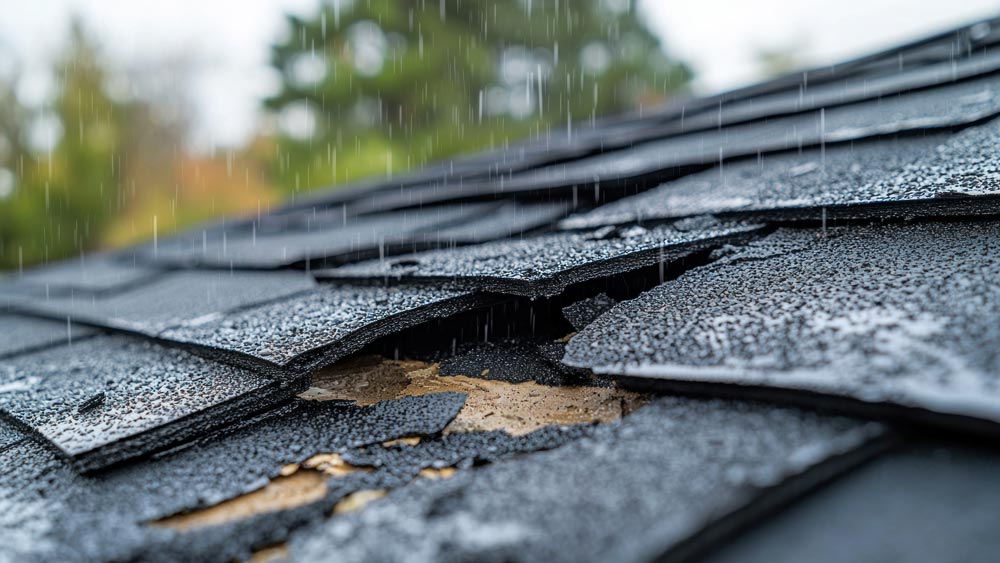
Wind can lift and loosen shingles. Hail can bruise or crack roofing materials. Heavy rain can expose weak points and force water into small openings. Even if your roof made it through winter, spring storms often reveal vulnerabilities that developed during colder months.
That combination of winter wear and spring storms is what makes this time of year especially important for roof inspections.
Start with a Ground-Level Inspection
After a storm passes, your first step should always be a safe, ground-level check. You don’t need to climb on your roof to spot early warning signs.
Walk around your home and look for anything unusual. Pay close attention to your yard, driveway, and the base of your downspouts.
Here are some of the most common things to look for:
- Shingle pieces or roofing debris on the ground
- Granules collecting near gutters or downspouts
- Bent, detached, or overflowing gutters
- Fallen branches or debris on the roof
- Visible sagging or uneven roof lines
Even small pieces of debris can signal that your roof took a hit during the storm.
Check for Wind Damage
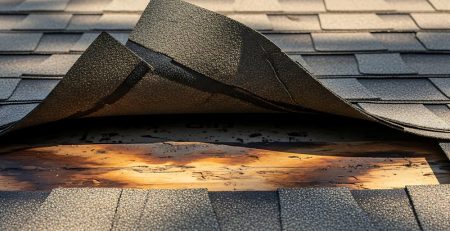
Wind is one of the most common causes of roof damage in Michigan. Strong gusts can lift shingles, break seals, and create entry points for water.
What makes wind damage tricky is that it’s not always obvious. A shingle doesn’t need to be completely missing to be a problem. Even slight lifting can weaken its ability to protect your home.
Signs of wind damage include:
- Shingles that appear curled or lifted
- Missing shingles in patches or rows
- Exposed nail heads
- Loose flashing around vents or chimneys
If wind has compromised one area, nearby shingles may also be weakened—even if they still look intact.
Look for Hail Damage
Hail damage is one of the most misunderstood roofing issues. Unlike wind damage, hail doesn’t always remove shingles—it often damages them in place.
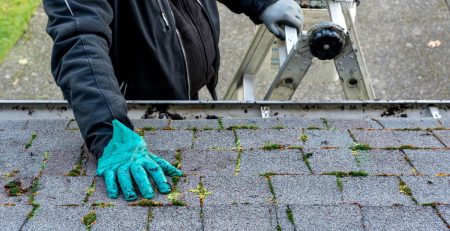
When hail hits asphalt shingles, it can knock off protective granules or create soft spots that weaken the material. Over time, those areas deteriorate faster and may eventually lead to leaks.
From the ground, you may notice:
- Dents on gutters, downspouts, or metal flashing
- Dark or uneven patches on your roof
- Granules collecting in large amounts near drainage areas
Because hail damage can be subtle, it’s often best confirmed by a professional inspection. This is especially important if you’re considering filing an insurance claim.
“Michigan spring storms can be unpredictable, but your response doesn’t have to be. Knowing how to spot roof damage early gives you the advantage—helping you protect your home before small issues turn into bigger problems.”
Watch for Interior Warning Signs
Not all roof damage shows up outside. In many cases, the first signs appear inside your home.
After a storm, take a few minutes to check your ceilings, walls, and attic. Early detection can prevent a small issue from becoming a major repair.
Key interior signs include:
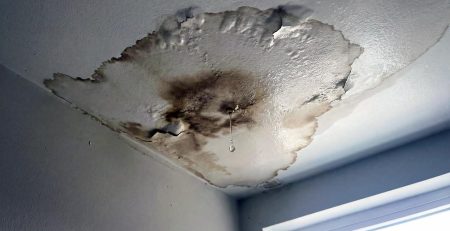
- Water stains or discoloration on ceilings
- Peeling paint or bubbling drywall
- Dripping water during or after rain
- Musty odors in the attic
- Damp or compressed insulation
Even if the damage seems minor, it’s important not to ignore it. Water can travel before it becomes visible, meaning the problem may be larger than it appears.
Don’t Forget About Gutters and Drainage
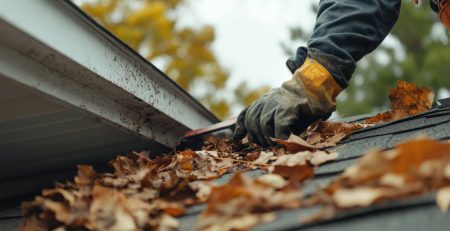
Your gutters play a major role in protecting your roof. When storms damage or clog them, water may not drain properly—leading to pooling and potential roof leaks.
After a storm, check for:
- Gutters pulling away from the house
- Blockages caused by leaves or debris
- Water spilling over the edges during rain
- Downspouts that are disconnected or bent
Poor drainage can quickly turn a minor roofing issue into a larger problem, especially with repeated spring storms. Learn more about our gutter services.
Why Acting Quickly Matters
One of the biggest mistakes homeowners make is waiting too long to address storm damage. Even if your roof seems fine at first, small issues can worsen quickly—especially with Michigan’s frequent spring rainfall.
Water intrusion is the biggest concern. Once moisture gets beneath your roofing materials, it can affect insulation, wood framing, and interior finishes.
Delaying repairs can lead to:
- Larger roof repair costs
- Mold or mildew growth
- Structural damage
- Insurance claim complications
Taking action early helps limit damage and keeps repair costs manageable.
When to Call a Roofing Professional
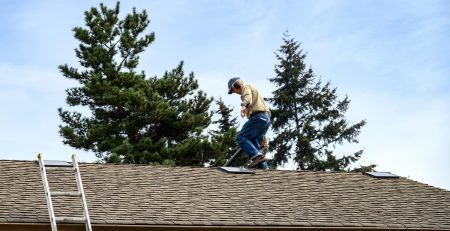
While a visual inspection is a good first step, it doesn’t replace a professional evaluation. Roofing contractors know where to look and how to identify damage that may not be visible from the ground.
You should consider scheduling an inspection if:
- A storm involved high winds or hail
- You notice any of the warning signs mentioned above
- Your roof is more than 10–15 years old
- You’re unsure whether damage is present
A professional inspection can also provide documentation if you decide to file an insurance claim. That documentation can make the process smoother and more accurate.
Insurance Considerations After a Storm
Storm damage is often covered by homeowners insurance—but only if it’s documented properly and reported in a timely manner.
If you suspect storm damage:
- Take photos of visible issues as soon as possible
- Schedule a professional roof inspection
- Contact your insurance provider if damage is confirmed
It’s important to understand that insurance typically covers sudden storm damage—not long-term wear and tear. That’s another reason why early detection matters.
Protecting Your Roof Moving Forward
Spring storms are unavoidable, but damage doesn’t have to be. Regular maintenance and inspections can help your roof withstand Michigan’s changing weather conditions.
Simple steps like cleaning gutters, trimming nearby trees, and scheduling annual inspections can make a big difference.
More importantly, staying proactive helps you avoid the stress and cost of emergency repairs.
FAQ About Roof Damage After a Michigan Spring Storm
As soon as it’s safe. A quick ground-level inspection right after the storm can help you catch visible damage early before more rain makes it worse.
Wind damage is the most common, often causing lifted or missing shingles. Hail damage is also frequent and can weaken shingles without removing them.
Yes. Many types of storm damage don’t cause immediate leaks. Issues like lifted shingles or compromised flashing can lead to leaks later if left untreated.
In most cases, yes—if the damage is caused by a sudden storm event like wind or hail. Normal wear and tear is typically not covered.
No. It’s safest to inspect from the ground. Climbing on your roof after a storm can be dangerous and may cause further damage.
Signs include dents in gutters or flashing, granule loss, or dark spots on shingles. A professional inspection is usually needed to confirm hail damage.
Small issues can turn into larger problems, including leaks, mold, and structural damage—especially with continued spring rainfall.
Final Thoughts
Michigan spring storms can be unpredictable, but your response doesn’t have to be. Knowing how to spot roof damage early gives you the advantage—helping you protect your home before small issues turn into bigger problems.
If you’ve recently experienced a storm or just want peace of mind, having your roof inspected is one of the smartest steps you can take.
At Legend Roofing, we help West Michigan homeowners identify storm damage, navigate repairs, and protect their homes year-round.
Call (616) 600-1130 or contact us here to schedule your roof inspection today.