Roof Replacement Cost in Michigan (2026)
For most homeowners, a roof replacement is one of the largest investments they’ll make in their home. It’s also one of the most important. A quality roof protects your family, your belongings, and the structural integrity of your home for decades.
One of the first questions homeowners ask is, “How much does a new roof cost?”
The honest answer is that every home is different. Roof replacement costs vary based on the size and complexity of the roof, the materials you choose, and whether hidden repairs are needed once the old roofing system is removed.
Rather than focusing on a single price, it’s more helpful to understand what influences roof cost in Michigan and what you should expect when planning your budget in 2026.
This guide explains the biggest cost factors, typical price ranges, and how to make an informed investment in your home.
Average Roof Replacement Cost in Michigan
For a typical asphalt shingle roof, most Michigan homeowners can expect to invest somewhere between $10,000 and $20,000+ for a complete roof replacement in 2026.
Smaller, straightforward homes often fall toward the lower end of that range, while larger homes with complex rooflines, multiple dormers, steep pitches, or premium roofing materials typically cost more.
Although price is important, homeowners should avoid choosing a contractor based solely on the lowest estimate. A roof is designed to last decades, and installation quality often has a greater impact on long-term performance than the initial price alone.
What Determines the Cost of a New Roof?
Several variables influence the final cost of a roof replacement. Understanding these factors makes it easier to compare estimates and know exactly what you’re paying for.
Roof Size
The most obvious factor is the overall size of the roof.
A larger roof requires more shingles, underlayment, flashing, fasteners, ventilation components, and labor. Roofing contractors typically calculate material quantities using “squares,” with one roofing square covering 100 square feet.
Naturally, a 30-square roof will cost significantly more than a 20-square roof simply because more materials and labor are required.
Roof Pitch and Complexity
Not all roofs are equally difficult to replace.
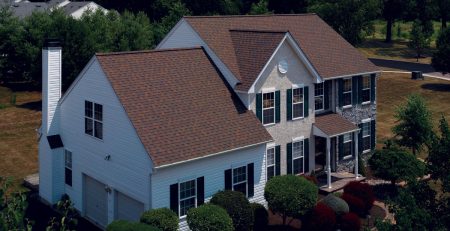
A simple ranch home with two roof planes is much faster to install than a home featuring multiple valleys, dormers, skylights, intersecting rooflines, or steep slopes.
Complex roofs require additional cutting, flashing, safety equipment, and installation time.
Features that often increase roof replacement costs include:
- Steep roof pitches
- Multiple valleys
- Chimneys and skylights
- Numerous plumbing vents
- Complex architectural designs
Although these features increase labor, they also require careful craftsmanship to ensure long-term waterproofing.
Roofing Materials
Material selection has a major influence on your final investment.
The majority of homeowners in West Michigan choose architectural asphalt shingles because they offer an excellent balance of durability, appearance, and value.
Premium designer shingles typically cost more but may provide enhanced curb appeal, improved wind resistance, and longer manufacturer warranties.
When comparing estimates, ask exactly which shingle product is included. Two proposals may look similar on paper while specifying completely different roofing systems.
Tear-Off vs. Roof Overlay
One important question is whether your existing roof will be removed.
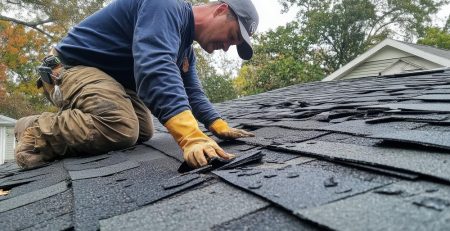
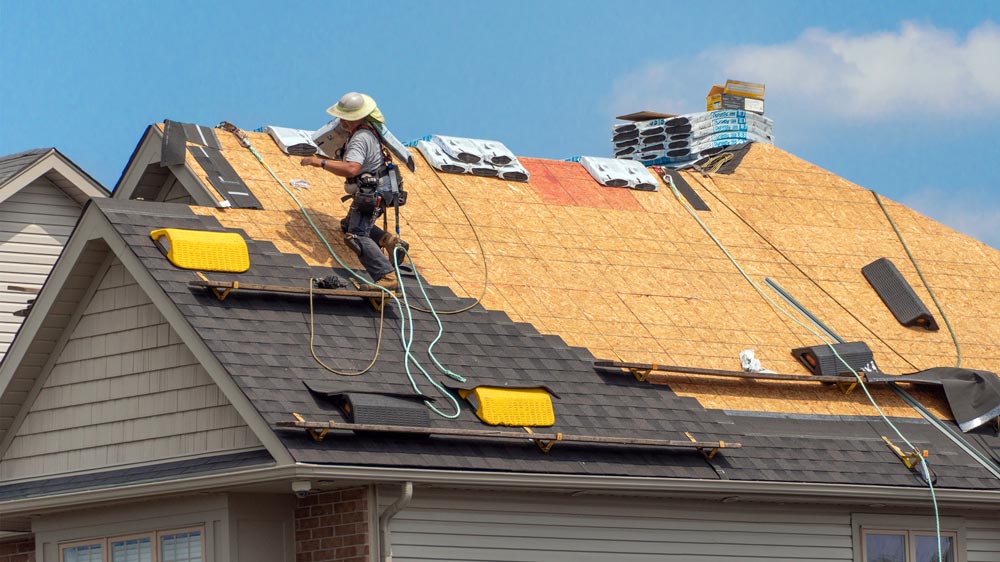
A complete tear-off removes old shingles before installing the new roofing system. This approach allows contractors to inspect the roof decking, replace damaged wood if necessary, and install the new materials on a solid foundation.
Although overlays can sometimes reduce upfront costs, most homeowners benefit from a full tear-off because it provides a better long-term solution.
Roof Deck Repairs
Unfortunately, contractors cannot always determine the condition of the roof decking until the old shingles have been removed.
If moisture has entered the roof over time, sections of plywood or OSB may require replacement.
Common causes include:
- Long-term leaks
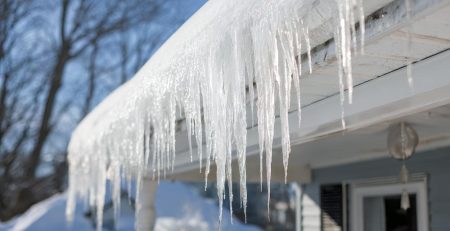
- Ice dam damage
- Poor attic ventilation
- Previous installation issues
While nobody hopes for decking repairs, replacing damaged wood ensures your new roof is installed on a structurally sound surface.
Ventilation Improvements
A new roof is also an opportunity to improve attic ventilation.
Many older Michigan homes have insufficient intake or exhaust ventilation. Poor airflow contributes to:
- Ice dams
- Higher attic temperatures
- Moisture buildup
- Premature shingle aging
Upgrading ridge vents, soffit vents, or other ventilation components may slightly increase the project cost, but those improvements often help extend the life of the new roof while improving energy efficiency.
Flashing and Roof Accessories
Flashing protects vulnerable areas where water is most likely to enter your home.
During a roof replacement, contractors typically inspect or replace flashing around:
- Chimneys
- Plumbing vents
- Roof valleys
- Skylights
- Wall intersections
Additional accessories such as pipe boots, drip edge, ridge cap shingles, and ventilation products also contribute to the overall project cost.
Although these components represent a smaller portion of the budget, they play a critical role in preventing future leaks.
“While most Michigan homeowners can expect to invest between $10,000 and $20,000 or more, the best way to understand your specific project is through a professional inspection and detailed estimate.”
Why Estimates Can Vary So Much
Many homeowners receive multiple estimates and wonder why the prices differ by several thousand dollars.
In many cases, contractors are not bidding on identical scopes of work.
One estimate may include upgraded underlayment, new flashing, ventilation improvements, and complete cleanup, while another may exclude those items.
Before comparing prices, ask questions like:
- What shingle system is included?
- Will the existing roof be completely removed?
- Is new flashing included?
- How will damaged decking be handled?
- What warranty is provided?
- Is cleanup included?
Comparing scope—not just price—helps ensure you’re making an informed decision.
Should You Repair or Replace?
Sometimes a repair is all that’s needed.
If your roof is relatively new and damage is isolated to a small area, repairing the affected section may make financial sense.
However, replacement often becomes the better investment when:
- The roof is nearing the end of its expected lifespan.
- Multiple leaks have developed.
- Shingle damage is widespread.
- Repairs are becoming more frequent.
- Storm damage affects large sections of the roof.
A professional inspection can help determine which option offers the greatest long-term value.
Still unsure whether your roof needs a full replacement? Before making a decision, learn the warning signs in our guide on How to Know When It’s Time to Replace Your Roof.
Can Insurance Help Cover Roof Replacement?
If your roof suffered sudden damage from hail or wind, your homeowners insurance policy may cover part or all of the replacement cost.
Insurance generally covers storm-related damage—not normal aging or wear and tear. Not sure whether your roof damage qualifies for an insurance claim? Read our guide on storm damage vs. wear and tear to better understand what’s typically covered.
If you believe a recent storm damaged your roof:
- Schedule a professional inspection.
- Document any visible damage.
- Review your insurance policy.
- Contact your insurance carrier if storm damage is confirmed.
Working with an experienced roofing contractor can help you understand the inspection findings and determine whether filing a claim makes sense.
Is the Cheapest Estimate the Best Value?
Not necessarily.
A roof replacement is a long-term investment, and choosing the lowest bid can sometimes lead to higher costs later.
Instead of focusing solely on price, consider factors such as:
- Contractor experience
- Manufacturer certifications
- Warranty coverage
- Customer reviews
- Quality of materials
- Communication throughout the project
A roof installed correctly the first time often provides better value than one requiring repairs only a few years later.
Not all warranties provide the same protection. Learn the difference between manufacturer and workmanship coverage in our guide to understanding roofing warranties.
Planning Ahead Can Save Money
One of the biggest advantages of planning your roof replacement is flexibility.
Instead of reacting to an emergency leak, homeowners who plan ahead have time to:
- Compare roofing systems.
- Select colors and styles.
- Budget for the project.
- Schedule work during their preferred season.
- Ask questions before construction begins.
If you’ve never had your roof replaced before, understanding the process can make planning much easier. See our guide on what to expect during a roof replacement project.
Planning also reduces the likelihood of interior water damage that can occur when roofing problems are left unresolved.
Timing also plays a role in your investment. Learn when homeowners typically get the best value by reading our guide on the best time to replace your roof in Michigan.
Investing in Your Home
While replacing a roof is a significant expense, it’s also one of the best investments you can make in your home.
A professionally installed roof protects your family, improves curb appeal, increases resale confidence, and provides decades of dependable performance.
For homeowners throughout West Michigan, understanding the factors that influence roof cost in Michigan helps eliminate surprises and makes budgeting much easier.
FAQs About New Roof Cost in Michigan
Most asphalt shingle roof replacements in Michigan cost between $10,000 and $20,000+, depending on roof size, complexity, materials, and any necessary repairs.
The biggest factors include roof size, roof pitch, material selection, roof complexity, ventilation improvements, and whether damaged roof decking needs replacement.
Insurance typically covers roof replacement when sudden storm damage, such as hail or wind, is the cause. Normal wear and tear is generally not covered.
Sometimes. If damage is isolated and your roof still has many years of useful life remaining, repairs may be appropriate. Older roofs with widespread issues are often better candidates for replacement.
Most residential asphalt shingle roof replacements are completed in one to two days, although larger or more complex homes may require additional time.
Many roofing contractors offer financing options that allow homeowners to spread the cost over monthly payments. If financing is available, monthly payment options can make replacing your roof much more manageable for many homeowners.
Most architectural asphalt shingle roofs last between 20 and 30 years, although Michigan’s weather conditions can influence lifespan depending on maintenance and ventilation.
Final Thoughts
The new roof cost in 2026 depends on many variables, including roof size, complexity, materials, ventilation, and any repairs discovered during installation. While most Michigan homeowners can expect to invest between $10,000 and $20,000 or more, the best way to understand your specific project is through a professional inspection and detailed estimate.
At Legend Roofing, we believe homeowners deserve honest recommendations, transparent pricing, and quality workmanship. Whether you’re replacing an aging roof, recovering from storm damage, or simply planning ahead, we’re here to help you make an informed decision.
We proudly serve homeowners throughout West Michigan. Visit our Service Areas page to see if we serve your community, or call (616) 600-1130 or contact us online to schedule your free roof inspection and estimate.