Hail Damage vs. Normal Wear: How to Tell the Difference
After a storm rolls through , it’s common for homeowners to wonder if their roof took any damage—especially when hail is involved. The challenge is that not all roof issues are treated the same. What may look like storm damage could actually be normal wear and tear, and that distinction matters more than most homeowners realize.
Why? Because insurance companies evaluate these two types of damage very differently.
If you’re considering filing a roof insurance claim in Michigan, understanding the difference between hail damage and normal wear is critical. Filing a claim for wear and tear may result in denial, while missing legitimate storm damage could leave you paying out of pocket for repairs that should be covered.
In this guide, we’ll break down how to identify hail damage, how it differs from aging-related wear, and what steps you should take if you suspect your roof was affected by a storm.
Why the Difference Matters for Insurance
Insurance companies cover sudden, accidental damage—like hail or wind from a specific storm event. They do not cover gradual deterioration, which includes normal wear and tear from aging, sun exposure, and long-term weathering.
This means that two roofs with similar visible issues may be treated completely differently depending on the cause.
For example:
- A shingle damaged by hail impact may be covered
- A shingle that cracked over time due to age likely will not be
That’s why properly identifying hail damage roof vs wear is essential before filing a claim.
What Hail Damage Actually Looks Like
Hail damage doesn’t always remove shingles or create obvious holes. In many cases, the damage is more subtle—but still serious.
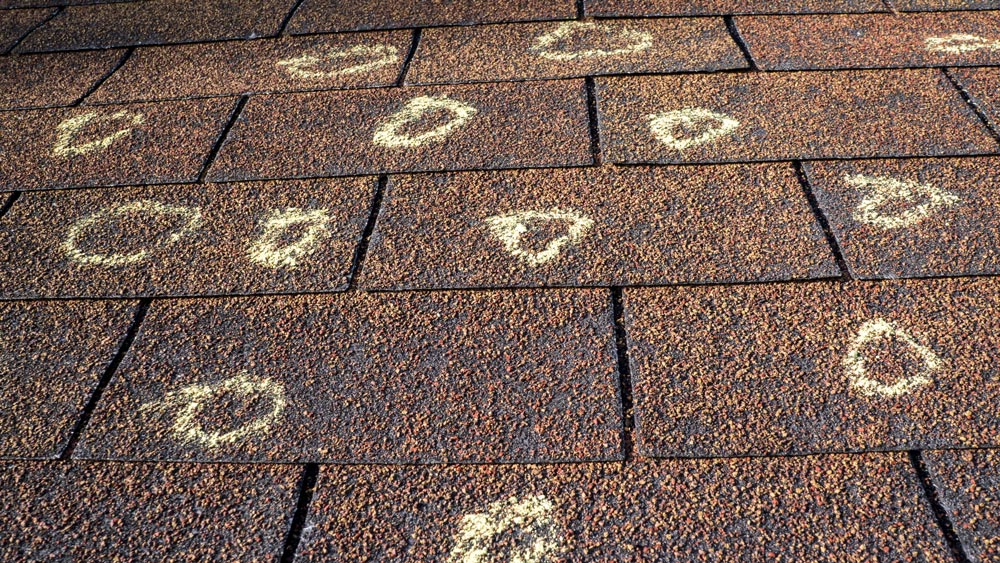
When hail strikes asphalt shingles, it can knock off the protective granules or bruise the material underneath. These granules play a key role in protecting the shingle from UV rays and water intrusion.
Over time, damaged areas can deteriorate faster than the rest of the roof.
Common Signs of Hail Damage:
- Random, scattered impact marks across the roof
- Dark spots where granules have been knocked away
- Soft or bruised areas that feel spongy when pressed (professional inspection needed)
- Dents or marks on metal surfaces like flashing, vents, or gutters
- Damage patterns that align with a specific storm event
Hail damage tends to appear in clusters or random patterns, depending on storm direction and intensity.
What Normal Roof Wear Looks Like
Unlike hail damage, normal wear develops gradually over time. It is caused by years of exposure to sun, temperature changes, wind, and moisture.
In Michigan, roofs experience significant seasonal stress—from freezing winters to humid summers—which contributes to aging.
Common Signs of Normal Wear:
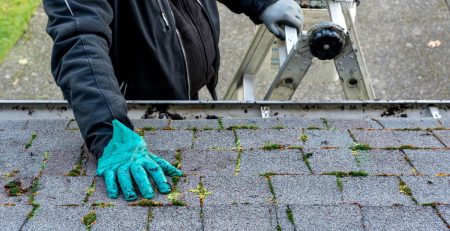
- Even, widespread granule loss across the roof
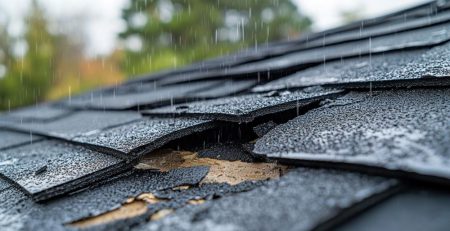
- Shingles that are curling, cracking, or becoming brittle
- Fading or discoloration from UV exposure
- Minor surface wear that appears consistent across all slopes
- Aging materials nearing the end of their lifespan
The key difference is that wear is uniform, while hail damage is typically random and impact-based.
Key Differences: Hail Damage vs Wear
Understanding the visual and structural differences can help homeowners make more informed decisions.
Hail Damage:
- Caused by a specific storm event
- Appears as random impact marks
- Often includes dents in metal components
- May lead to accelerated deterioration in isolated areas
Normal Wear:
- Develops gradually over time
- Appears evenly across the roof
- Does not involve impact damage
- Reflects aging rather than sudden failure
If damage looks consistent across the entire roof, it’s more likely wear. If it looks scattered or tied to a recent storm, hail may be the cause.
“Hail damage and normal wear may look similar at first glance, but they are treated very differently—especially when it comes to insurance claims.”
Why Hail Damage Is Often Missed
One of the biggest challenges with hail damage is that it isn’t always obvious from the ground. Many homeowners assume their roof is fine if they don’t see missing shingles or active leaks.
However, hail damage can weaken shingles without immediately causing water intrusion. Over time, those weakened areas become more vulnerable to cracking, splitting, and leaking.
This delayed effect is why some homeowners don’t notice a problem until months after a storm—often when filing a claim becomes more difficult.
What Insurance Adjusters Look For
When evaluating a roof insurance claim in Michigan, adjusters focus on determining the cause of damage.
They typically look for:
- Evidence of impact consistent with hail
- Damage patterns that match recent storm data
- Condition of surrounding materials
- Age and overall condition of the roof
If the adjuster determines the damage resulted from normal wear, the claim may be denied—even if repairs are needed.
This is why documentation and professional inspections are so important.
Steps to Take After a Hail Storm
If your area experienced a hail storm, taking the right steps early can make a significant difference.
1.) Perform a Ground-Level Inspection
Look for dents on gutters, downspouts, and metal fixtures. These are often early indicators of hail impact.
2.) Document What You See
Take photos of any visible damage, debris, or unusual roof conditions.
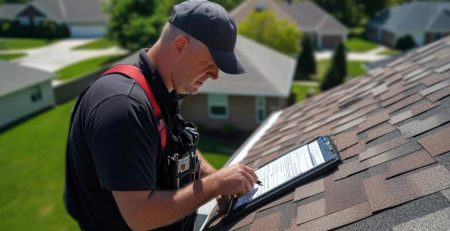
3.) Schedule a Professional Roof Inspection
A roofing contractor can identify damage that isn’t visible from the ground and help determine whether it’s storm-related.
4.) Review Your Insurance Coverage
Understand what your policy covers before filing a claim.
5.) File a Claim (If Appropriate)
If storm damage is confirmed, file your claim promptly. Timing can affect approval.
Avoiding Common Mistakes
Many homeowners make avoidable mistakes when dealing with potential hail damage.
- Waiting too long to inspect the roof after a storm
- Assuming no visible damage means no problem
- Filing a claim without confirming storm-related damage
- Confusing normal wear with hail damage
Taking a measured, informed approach helps you avoid unnecessary claim denials and ensures legitimate damage is addressed properly.
Why Professional Inspections Matter
Distinguishing hail damage roof vs wear isn’t always straightforward. Even experienced homeowners may struggle to identify subtle impact marks or underlying structural issues.
A professional roofing inspection provides:
- Accurate damage assessment
- Clear documentation for insurance purposes
- Guidance on whether a claim makes sense
- Recommendations for repair or replacement
This step is especially important in West Michigan, where storms can vary widely in intensity and impact.
FAQs About Hail Damage vs. Normal Wear & Tear
Hail damage usually appears as random impact marks or dents, while normal wear is more uniform across the roof. Hail often leaves visible signs on metal surfaces like gutters and vents as well.
No. Hail damage often weakens shingles without causing an immediate leak. Over time, those damaged areas can break down and lead to water intrusion.
Most homeowners insurance policies in Michigan cover hail damage if it’s tied to a specific storm event. Normal wear and tear is typically not covered.
Most policies allow claims within 6–12 months of the storm, but timelines vary. It’s best to act quickly to avoid complications.
You can, but the age of your roof may affect how the claim is evaluated. Insurance companies may factor in depreciation or deny claims if damage is attributed to wear.
Look for dents in gutters, downspouts, and metal flashing, as well as excessive granules collecting near downspouts.
Yes. A professional inspection can confirm whether damage is storm-related and help you avoid filing a claim that may be denied.
The claim will likely be denied, and it may still be recorded on your insurance history. That’s why identifying the cause of damage first is important.
Final Thoughts
Hail damage and normal wear may look similar at first glance, but they are treated very differently—especially when it comes to insurance claims.
Understanding the difference helps you:
- Avoid denied claims
- Protect your home from hidden damage
- Make informed decisions about repairs
- Take action at the right time
If you’ve recently experienced a storm or are unsure about your roof’s condition, it’s worth having it checked.
At Legend Roofing, we help West Michigan homeowners identify storm damage, understand their options, and navigate the inspection process with confidence.
Call (616) 600-1130 or contact us here to schedule your roof inspection today.