Top Signs Your Roof Won’t Make It Through Another Michigan Winter
Michigan winters put roofs through conditions that homeowners in many other parts of the country simply do not experience. Heavy snow, freezing temperatures, ice buildup, repeated freeze-thaw cycles, and strong winter winds can expose weaknesses that seemed relatively minor during the warmer months.
That makes late summer and early fall an important time to pay attention to the condition of your roof.
A roof that is already showing signs of deterioration may continue protecting your home through a few summer rainstorms, but winter can be a very different test. Once snow and ice arrive, damaged shingles, failing flashing, poor ventilation, and aging roofing materials can turn into leaks, moisture problems, and more expensive repairs.
Understanding the most common roof replacement signs Michigan homeowners should watch for can help you address problems before winter weather makes them worse.
Here are some of the biggest warning signs that your roof may not be ready for another Michigan winter.
1. Your Roof Is Approaching the End of Its Expected Lifespan
Age alone does not automatically mean a roof needs to be replaced, but it should be one of the first things you consider when evaluating its condition.
Many asphalt shingle roofs are designed to last for decades, but their actual lifespan depends on several factors, including:
- Roofing materials
- Installation quality
- Attic ventilation
- Sun exposure
- Storm damage
- Previous maintenance
- Michigan’s temperature swings
If you are not sure how old your roof is, look through your home improvement records or ask a roofing contractor to evaluate it.
An older roof that still looks acceptable from the ground may have shingles that are becoming brittle, seals that are weakening, or flashing that is beginning to deteriorate.
These old roof warning signs become especially important when winter is approaching. Materials that are already near the end of their useful life may be less capable of handling snow, ice, wind, and repeated freezing and thawing.
Age is only one part of the decision. Our guide to when you should replace your roof in Michigan explains how roof age, condition, recurring repairs, and seasonal timing all factor into whether replacement makes sense.
2. Shingles Are Curling, Cracking, or Buckling
Healthy asphalt shingles should generally sit flat against the roof.
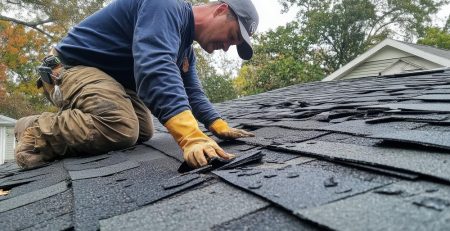
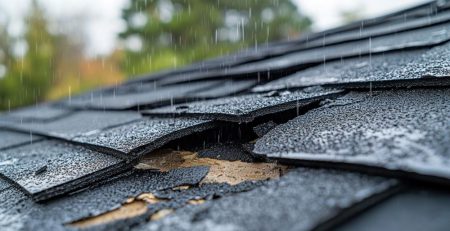
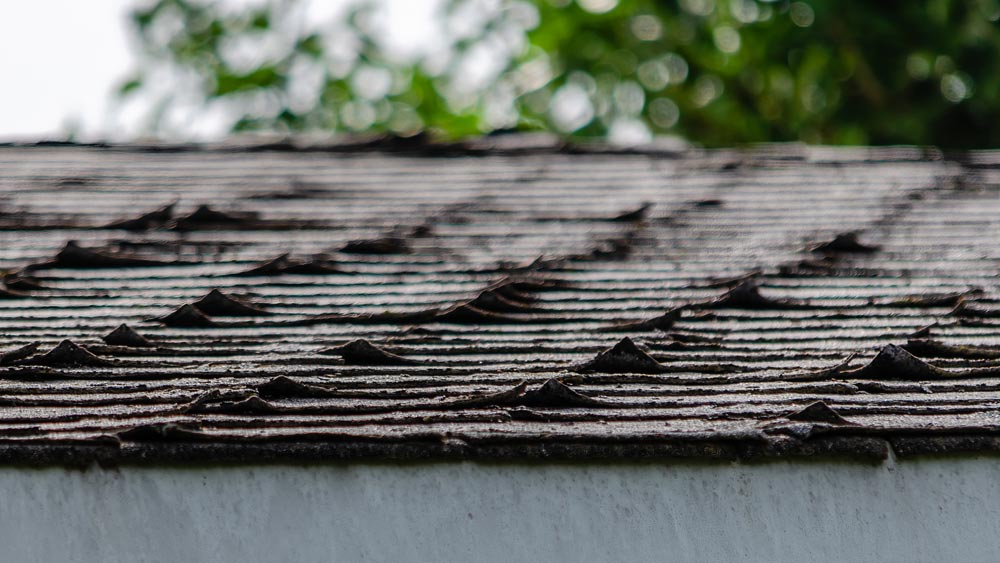
If you notice shingles curling upward at the edges, cracking, buckling, or otherwise losing their shape, your roof may be losing its ability to protect the layers underneath.
Shingle deterioration can happen because of age, weather exposure, ventilation problems, or normal wear over time.
Michigan winter weather can make these problems worse.
Water may find its way underneath damaged shingles. When temperatures fall below freezing, that moisture can freeze and expand. Repeated freeze-thaw cycles can gradually enlarge small openings and create additional opportunities for leaks.
Curling or cracked shingles are among the more visible roof replacement signs Michigan homeowners can spot from the ground.
Avoid climbing onto the roof yourself to inspect them closely. A professional roofer can safely determine whether the affected area can be repaired or whether the deterioration is widespread enough to justify replacement.
3. You Are Finding Large Amounts of Shingle Granules
Asphalt shingles are coated with protective granules that help shield them from ultraviolet light and weather.
Some granule loss is normal, particularly with newer roofs. However, excessive granule loss can indicate that shingles are deteriorating.
You may notice granules collecting:
- Inside gutters
- At the bottom of downspouts
- On patios or driveways
- Around the perimeter of your home
You may also notice darker or uneven patches on the roof where shingles have lost their protective surface.
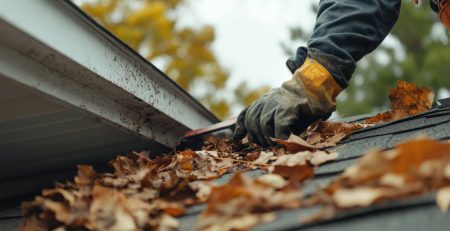
Granule loss matters because exposed asphalt can deteriorate more quickly. Once shingles begin losing significant amounts of their protective coating, their ability to withstand Michigan weather may decrease.
If your roof is older and you are consistently finding large amounts of granules in the gutters, it may be time to have the roof evaluated before winter arrives.
4. You Have Missing or Loose Shingles
Even a relatively small number of missing shingles can create vulnerable areas on your roof.
Strong winds, storms, aging adhesive strips, and deteriorating shingles can all cause shingles to loosen or detach.
Once a shingle is missing, the roofing materials underneath have less protection from rain, snow, and ice.
Winter winds can also worsen the problem. A roof with several loose shingles may lose additional shingles during a storm, potentially exposing a larger section of the roof.
If you can see shingles missing from your roof, find pieces of shingles in the yard, or notice shingles that appear lifted, schedule an inspection.
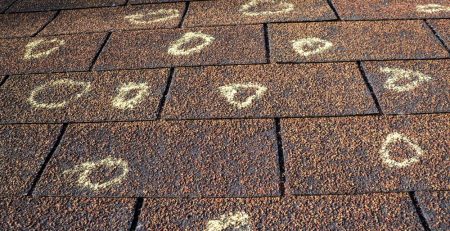
It is also important to determine why the shingles are damaged. A sudden weather event may be treated differently than normal deterioration. Our guide to hail damage vs. normal roof wear explains some of the differences Michigan homeowners should understand.
A few isolated damaged shingles may be repairable. Widespread shingle loss or deterioration may indicate that replacement is the better long-term solution.
5. Your Roof Has Already Started Leaking
A roof leak is one of the clearest warning signs that something needs attention.
Leaks do not always appear as water dripping from the ceiling. Sometimes the earliest signs are much less obvious.
Watch for:
- Brown or yellow ceiling stains
- Damp drywall
- Peeling paint
- Water marks in the attic
- Damp insulation
- Musty odors
- Moisture around roof penetrations
Even a small leak should be investigated.
During winter, snow may accumulate on the roof for extended periods. As snow melts, moisture can find its way into weak areas around shingles, flashing, vents, valleys, or other roof components.
A leak that only appears occasionally during heavy rain may become a larger problem when melting snow remains on the roof. Michigan homeowners should also familiarize themselves with the common signs of winter roof leaks so they know what to watch for once temperatures fall.
Water intrusion can damage insulation, drywall, ceilings, wood framing, and other parts of the home.
If your roof has already leaked, do not assume it will simply make it through another season without additional problems.
6. Flashing Around Chimneys, Vents, or Roof Valleys Is Damaged
Not every roofing problem starts with the shingles.
Flashing is installed around areas where water is more likely to enter the roof system, including:
- Chimneys
- Plumbing vents
- Skylights
- Roof valleys
- Walls that meet the roof
- Other roof penetrations
When flashing becomes bent, cracked, loose, corroded, or improperly sealed, moisture may get underneath the roofing system.
These areas become particularly important during winter because melting snow and ice can concentrate water around roof intersections and penetrations.
Damaged flashing may sometimes be repairable without replacing the entire roof. However, deteriorated flashing combined with an aging roof can be a sign that the roofing system as a whole is nearing the end of its service life.
“If your roof is showing several old roof warning signs, addressing them before winter can help protect your home and give you more control over the repair or replacement process.”
7. The Roofline Looks Saggy or Uneven
Your roof should generally have straight, consistent lines.
If part of the roof appears to sag, dip, or bow, the issue should be inspected promptly.
A sagging roof can be associated with moisture-damaged decking, structural deterioration, or other underlying problems. These conditions may become more concerning during a Michigan winter when snow adds additional weight to the structure.
This is not a problem that should be evaluated solely from the ground or treated as a cosmetic issue.
If your roofline appears noticeably uneven, contact a qualified roofing contractor for a professional inspection.
8. Your Attic Shows Signs of Moisture or Poor Ventilation
Your attic can reveal roofing problems that may not be obvious outside.
Take a look inside during daylight hours and watch for signs such as:
- Water stains
- Damp wood
- Wet insulation
- Mold-like growth
- Rusted nails
- Condensation
- Visible daylight entering through unexpected areas
You should also pay attention to attic ventilation.
A properly designed roofing system needs adequate ventilation to help regulate temperature and moisture. During winter, warm air from the living space can rise into the attic. If moisture accumulates and ventilation is inadequate, condensation can develop.
Poor attic conditions may also contribute to uneven roof temperatures and ice dam formation.
Roofing and attic performance are closely connected. Learn more about why ventilation is important to your roofing system and how attic insulation can affect your roof during a Michigan winter.
An inspection can help determine whether the issue is related to ventilation, insulation, roof damage, or a combination of factors.
9. Your Roof Has a History of Ice Dams
Ice dams are a common winter roofing problem in Michigan.
They form when heat causes snow higher on the roof to melt. The water flows toward colder areas near the roof edge, where it freezes again. Over time, a ridge of ice can build up.
Additional melting snow may then collect behind the ice dam and potentially work its way underneath shingles.
Ice dams are not always caused by an old roof. Insulation, air sealing, ventilation, roof design, and weather conditions can all contribute.
However, if your roof has repeatedly experienced leaks or damage associated with ice dams, it deserves closer attention before another winter.
If ice dams have been an ongoing problem at your home, review our guide on how to prevent ice dams in Michigan for a closer look at why they develop and the steps that can reduce the risk.
10. Repairs Are Becoming More Frequent
Occasional roof repairs are normal.
The situation changes when roofing problems begin appearing repeatedly.
Perhaps you replaced several shingles after one storm, repaired flashing the following year, and then discovered another leak somewhere else.
At some point, continuing to repair an aging roof can become less practical than replacing it.
Frequent repairs may indicate that individual components are failing because the roofing system is reaching the end of its lifespan.
One of the most important old roof warning signs is not necessarily one dramatic failure. It may be a pattern of smaller problems that keeps returning.
A professional inspection can help you compare the cost and expected lifespan of another repair against the benefits of replacing the roof.
11. Small Problems Keep Getting Put Off
It can be tempting to postpone a roofing problem when there is no active leak inside the house.
A lifted shingle, small section of damaged flashing, minor ceiling stain, or suspicious spot in the attic may not seem urgent during warm, dry weather.
Winter changes that equation.
Freeze-thaw cycles, accumulated snow, ice formation, and prolonged moisture exposure can turn relatively minor weaknesses into larger problems. We have covered this in more detail in our guide explaining why homeowners should not ignore a small roof issue over winter.
Taking care of a manageable problem before winter is usually preferable to discovering it after snow and ice have already arrived.
12. You Are Already Wondering Whether the Roof Can Make It Through Winter
Sometimes homeowners have already noticed several warning signs but continue postponing an inspection because the roof is not actively leaking.
That can be risky heading into winter.
Once snow covers the roof, identifying and addressing certain problems may become more difficult. Cold temperatures can also complicate some roofing work, while emergency leaks during winter are rarely convenient.
Having your roof inspected before harsh weather arrives gives you more information and more options.
You may discover that the roof only needs a relatively small repair.
You may learn that it can safely remain in service for several more years.
Or you may find that replacement before winter is the best way to avoid a more disruptive problem later.
The inspection gives you the information needed to make that decision before winter makes it for you.
Why Fall Roof Inspections Matter in Michigan
Michigan homeowners do not need to replace a roof simply because it is getting older. The goal is to understand its condition before the most demanding season of the year.
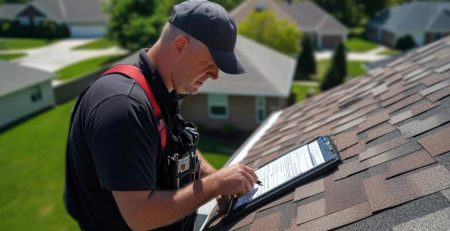
A professional roof inspection can look at more than the visible shingles.
Depending on the home, a roofer may evaluate:
- Shingle condition
- Flashing
- Roof penetrations
- Valleys
- Ventilation
- Roof decking concerns
- Signs of moisture
- Storm damage
- Previous repairs
Identifying problems before winter can give you time to plan repairs or replacement instead of reacting to an emergency.
It can also provide peace of mind if the roof is still in good condition.
Do You Need a Roof Repair or a Full Replacement?
Not every roofing issue requires a new roof.
A relatively young roof with a small area of storm damage may only need repairs. A roof with isolated flashing problems may also be repairable.
Replacement becomes more likely when several problems appear at the same time.
For example, an older roof with curling shingles, heavy granule loss, multiple previous repairs, and signs of moisture intrusion may no longer be a good candidate for another temporary fix.
That is why recognizing roof replacement signs Michigan homeowners commonly encounter is useful, but a professional inspection is still important.
The right solution depends on the age of the roof, the extent of the damage, the condition of the underlying materials, and how much usable life remains in the roofing system.
If replacement is the best option, cost is naturally one of the next questions homeowners have. Our guide to roof replacement cost in Michigan in 2026 breaks down typical price ranges and the factors that influence the final investment.
FAQs About Replacing Your Roof Before Winter
Common signs include curling or cracked shingles, missing shingles, excessive granule loss, recurring leaks, damaged flashing, sagging areas, and frequent repairs. Roof age also matters. If several of these warning signs are present, it is a good idea to schedule a professional inspection before winter.
It depends on the type and extent of the damage. Minor isolated issues may be repairable, while widespread deterioration can become more serious once snow, ice, freezing temperatures, and winter winds arrive. A professional inspection can help determine whether repair or replacement is the better option.
Yes. Fall can be a good time to address roofing problems before winter weather arrives, especially if the roof is already showing signs of deterioration. Scheduling an inspection early also gives homeowners more time to plan instead of dealing with an emergency leak during winter.
Waiting may be reasonable if the roof is still in good condition, but an already deteriorating roof can worsen over winter. Freeze-thaw cycles, snow, ice, wind, and moisture can enlarge existing problems and potentially lead to leaks or interior damage.
There is no single age that automatically means a roof needs replacement. Lifespan depends on the shingles, installation quality, ventilation, maintenance, weather exposure, and other factors. Older roofs should be evaluated based on both age and visible condition.
Not necessarily. Ice dams can be caused by insulation, ventilation, air leakage, roof design, and weather conditions. However, repeated ice dam damage combined with aging shingles, leaks, or other roof problems may indicate that the roofing system needs more extensive attention.
Not every leak requires a full roof replacement. Some leaks can be repaired if the roof is otherwise in good condition. If the roof is older, has multiple problem areas, or has required repeated repairs, replacement may provide a better long-term solution.
Yes. Legend Roofing provides roof inspections for homeowners throughout West Michigan. An inspection can help identify damaged shingles, flashing issues, leaks, ventilation concerns, and other warning signs before winter weather makes existing problems worse.
Get Your Roof Ready Before Another Michigan Winter
Michigan winters can expose roofing problems quickly.
A loose shingle can become a missing shingle. A small leak can turn into damaged insulation or drywall. Aging materials can become more vulnerable when temperatures drop and snow and ice begin accumulating.
If your roof is showing several old roof warning signs, addressing them before winter can help protect your home and give you more control over the repair or replacement process.
Legend Roofing provides professional roofing inspections and roof replacement services for homeowners throughout West Michigan. Our team can evaluate the condition of your roof, explain what we find, and help you determine whether a repair or replacement makes the most sense for your home.
If you are unsure whether your roof is ready for another Michigan winter, schedule an inspection before snow and freezing temperatures arrive.
We proudly serve homeowners throughout West Michigan. Visit our Service Areas page to see if we serve your community, or call (616) 600-1130 or contact us online to schedule your free roof inspection and estimate.