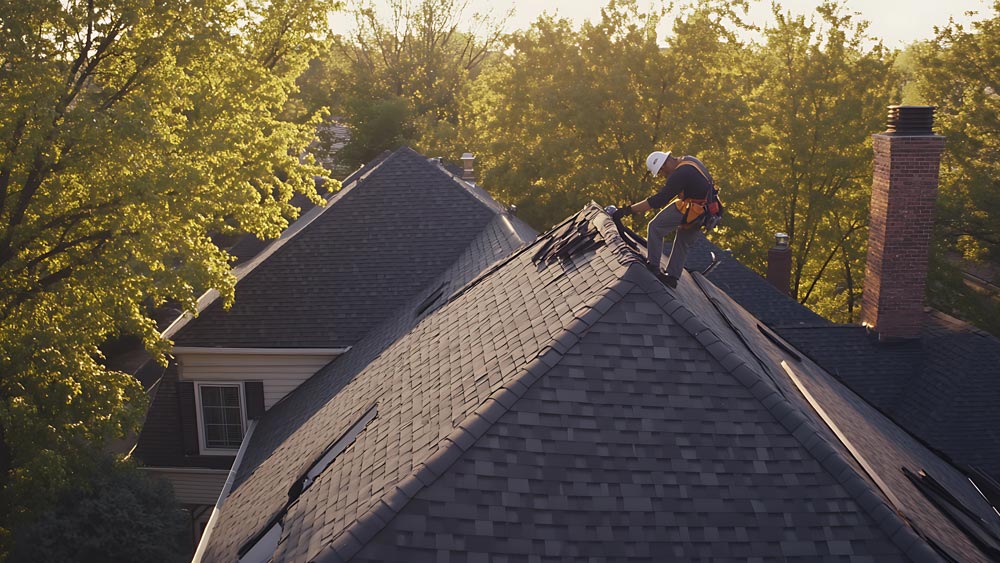
When Should You Replace Your Roof in Michigan?
If you’re like many homeowners in West Michigan, replacing your roof probably isn’t something you look forward to. It’s a significant investment, and unless you’re dealing with an active leak or obvious damage, it’s easy to put the decision off for another year.
However, timing matters more than many people realize.
Wait too long, and you may find yourself dealing with water damage, higher repair costs, or an emergency replacement after a major storm. Replace it too early, and you may not get the full value from your existing roof.
So, when is the best time to replace a roof in Michigan? The answer depends on your roof’s condition, your home’s needs, and the season. Understanding roof replacement timing can help you make an informed decision and avoid costly surprises. Legend Roofing serves homeowners throughout West Michigan, including Grand Rapids, Holland, Muskegon, Kalamazoo, Lansing, Rockford, Zeeland, and surrounding communities. You can view our full West Michigan service area here.
Why Roof Replacement Timing Matters
A roof doesn’t usually fail all at once. Most roofs gradually show signs of wear over time. Shingles lose granules, flashing begins to deteriorate, and repeated exposure to Michigan’s weather slowly weakens the roofing system.
The problem is that once visible signs appear, there may already be underlying damage developing beneath the surface.
Replacing your roof at the right time allows you to:
- Prevent water intrusion and structural damage
- Avoid emergency repairs
- Take advantage of favorable weather conditions
- Plan your budget more effectively
- Improve your home’s curb appeal and value
For most homeowners, a planned roof replacement is far less stressful than an unexpected one.
How Long Does a Roof Typically Last in Michigan?
Several factors affect roof lifespan, including installation quality, ventilation, weather exposure, and material type.
For asphalt shingle roofs—the most common roofing system in West Michigan—homeowners can generally expect:
- Standard three-tab shingles: 15–20 years
- Architectural shingles: 20–30 years
- Premium architectural shingles: 30+ years
Michigan’s climate can shorten those timelines.
Heavy snow, ice dams, strong winds, hail, and freeze-thaw cycles place additional stress on roofing materials. Even if a roof technically reaches its expected lifespan, it may begin showing signs of deterioration before then.
That’s why age should be considered alongside condition rather than as the only factor.
Signs It May Be Time to Replace Your Roof
Many homeowners ask, “How do I know if I need a new roof or just a repair?”
While every situation is different, there are several warning signs that often indicate replacement may be the better long-term solution.
Widespread Shingle Damage
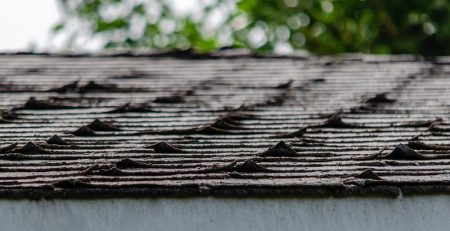
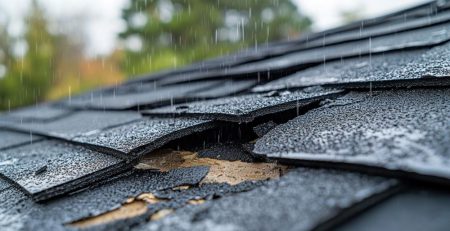
A few damaged shingles can usually be repaired. However, if large sections of the roof show curling, cracking, missing shingles, or granule loss, replacement may be more cost-effective.
Frequent Leaks
One isolated leak doesn’t necessarily mean you need a new roof. But if leaks keep appearing in different areas, the roofing system may be nearing the end of its useful life.
Sagging Roof Areas
Any visible sagging should be addressed immediately. It may indicate moisture damage, structural issues, or deteriorating decking beneath the shingles.
Moss or Algae Growth
While moss doesn’t always require replacement, extensive growth can trap moisture and accelerate shingle deterioration.
Your Roof Is Approaching 20 Years Old
If your roof is nearing or exceeding 20 years of age, it’s a good idea to have it professionally evaluated—even if there are no obvious issues.
Spring: A Popular Time for Roof Replacement
Spring is often one of the busiest roofing seasons in Michigan, and for good reason.
After winter, homeowners finally get a chance to assess any damage caused by snow, ice, and freezing temperatures. Spring also provides an opportunity to address roofing issues before summer storms arrive.
Benefits of spring roof replacement include:
- Moderate temperatures
- Early identification of winter damage
- Preparation for summer storm season
- Improved scheduling flexibility compared to peak summer demand
However, spring weather can also be unpredictable. Frequent rain showers may occasionally delay projects.
For homeowners who already know their roof is nearing the end of its life, scheduling early in the season can help avoid the spring rush.
Summer: Often the Best Time to Replace a Roof in Michigan
Many roofing professionals consider summer the ideal time for roof replacement timing.
Longer daylight hours and generally stable weather conditions allow projects to move efficiently. Asphalt shingles also seal more effectively in warmer temperatures, helping create a strong roofing system.
Advantages of summer roof replacement include:
- Consistent installation conditions
- Faster project completion
- Better shingle adhesion
- Lower likelihood of weather delays
The downside is that summer tends to be the busiest season for roofing contractors. Homeowners who wait until mid-summer to schedule may face longer lead times.
If you’re considering a summer roof replacement, planning ahead is recommended.
Fall: An Excellent Time to Replace Your Roof
Many roofing experts consider fall one of the best times to replace a roof in Michigan.
Temperatures are typically cooler than summer but still warm enough for proper shingle installation. Homeowners also gain peace of mind knowing their roof is ready for winter.
Benefits of fall replacement include:
- Ideal installation temperatures
- Preparation for snow and ice season
- Reduced risk of winter leaks
- Strong long-term shingle performance
Because fall is such a popular roofing season, scheduling early is important.
“The best time to replace a roof in Michigan depends on your roof’s condition, your budget, and your goals. While spring, summer, and fall all offer advantages, the most important factor is addressing problems before they become larger and more expensive.”
What About Winter Roof Replacement?
Many homeowners assume roof replacement cannot happen during winter.
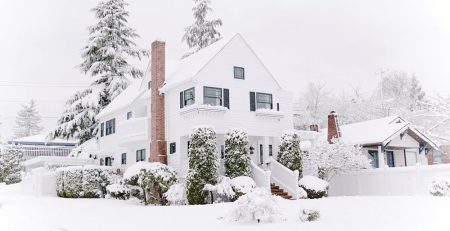
In reality, winter roof replacement is possible under the right conditions.
Experienced roofing contractors can complete projects during milder weather windows, and modern installation techniques help accommodate colder temperatures.
However, winter projects may face:
- Weather-related delays
- Shorter workdays
- Additional installation considerations
If your roof is actively leaking or has significant damage, waiting until spring may not be your best option.
Should You Wait Another Year?
This is one of the most common questions homeowners ask.
Unfortunately, there isn’t a universal answer.
Waiting another year may be reasonable if your roof is relatively young and only shows minor wear. But if your roof is already exhibiting signs of failure, postponing replacement often increases costs.
Roof repair delays can lead to:
- Water intrusion
- Mold growth
- Damaged insulation
- Structural repairs
- Interior ceiling and drywall damage
What starts as a roofing project can quickly become a much larger home repair.
Why Michigan Weather Makes Timing Important
Michigan’s weather doesn’t give roofs much of a break.
A typical year may expose your roof to:
- Heavy snow loads
- Ice dams
- Spring thunderstorms
- Hail events
- High winds
- Summer heat and humidity
These seasonal challenges make proactive roof replacement timing especially important, whether you own a home in Grand Rapids, Holland, Muskegon, Kalamazoo, or another West Michigan community. Replacing a roof before significant failure occurs helps homeowners avoid the compounding effects of multiple seasons of damage.
The Value of a Professional Roof Inspection
The best way to determine whether it’s time for a roof replacement is through a professional inspection.
A roofing contractor can evaluate:
- Shingle condition
- Flashing integrity
- Ventilation performance
- Roof decking condition
- Signs of hidden moisture damage
An inspection removes the guesswork and helps homeowners make informed decisions about repair versus replacement.
In many cases, homeowners are surprised to learn their roof has more life left than they expected. In other situations, an inspection reveals issues that are not visible from the ground.
Planning Ahead Saves Money
One of the biggest advantages of replacing your roof before an emergency occurs is control.
When you plan ahead, you have time to:
- Compare roofing options
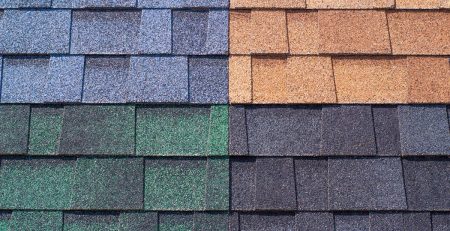
- Choose colors and materials
- Budget appropriately
- Schedule work during your preferred season
Emergency replacements rarely offer those same advantages.
By staying proactive, homeowners can maximize value while minimizing stress.
Summer and fall are often considered the best times to replace a roof in Michigan because of the warmer temperatures and generally stable weather conditions. However, spring can also be a great time to schedule a replacement, especially if your roof sustained winter damage.
Yes. While winter roof replacements may require additional planning and weather-dependent scheduling, experienced roofing contractors can often complete roof replacements during milder winter conditions.
Minor issues such as a few damaged shingles can often be repaired. However, widespread shingle damage, recurring leaks, sagging areas, or a roof nearing the end of its lifespan may indicate that a replacement is the better long-term investment.
Most asphalt shingle roofs last between 20 and 30 years, depending on the quality of the materials, installation, ventilation, and exposure to Michigan’s weather conditions.
Absolutely. Snow, ice dams, hail, strong winds, summer heat, and freeze-thaw cycles all contribute to roof wear and can shorten the lifespan of roofing materials.
Yes. Many roofing professionals consider fall one of the best times for roof replacement because temperatures are ideal for shingle installation and homeowners can prepare their homes for winter weather.
During peak roofing seasons, it’s a good idea to schedule several weeks or even months in advance. Planning ahead gives you more flexibility when choosing materials, colors, and installation dates.
Final Thoughts
The best time to replace a roof in Michigan depends on your roof’s condition, your budget, and your goals. While spring, summer, and fall all offer advantages, the most important factor is addressing problems before they become larger and more expensive.
If your roof is showing signs of age, damage, or repeated repairs, now is the time to have it evaluated.
At Legend Roofing, we help West Michigan homeowners understand their options and make informed decisions about roof replacement timing. Whether you’re planning ahead or concerned about a potential issue, our team is here to help. View our full service area to see the communities we serve across West Michigan. Call (616) 600-1130 or contact us here to schedule a roof inspection and determine whether it’s time for a replacement.