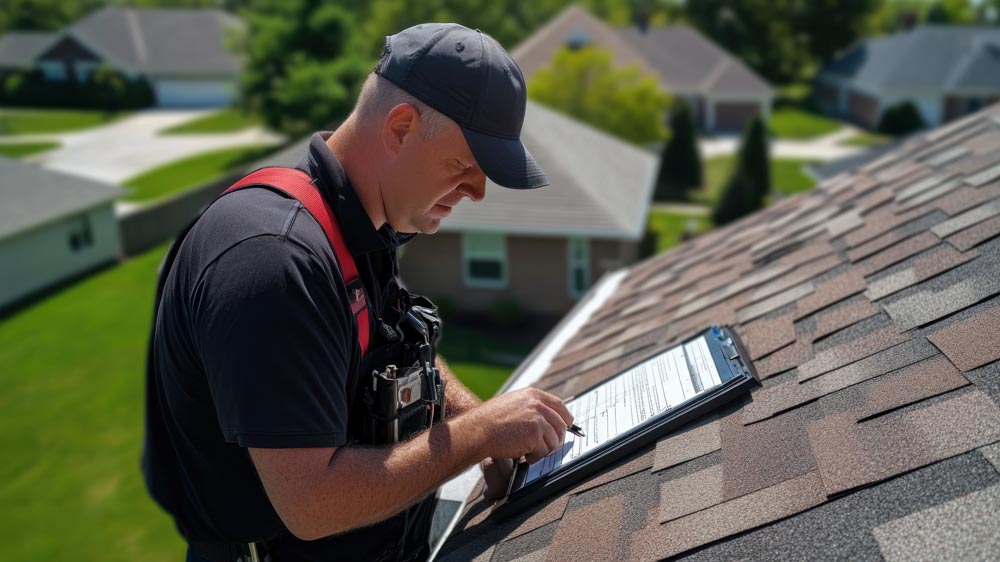
Spring Roof Maintenance Checklist for Michigan Homeowners
Winter can be tough on roofs in West Michigan. Snow accumulation, ice dams, freezing temperatures, wind-driven rain, and repeated freeze-thaw cycles all put stress on roofing systems. By the time spring arrives, many homeowners are left with minor roof issues they may not notice right away.
That’s why spring is one of the best times of year to inspect and maintain your roof.
A proactive roof inspection in the spring can help identify small issues before they become expensive repairs later in the year. It can also extend the life of your roof, improve drainage, and prepare your home for Michigan’s heavy spring rains and summer storms.
If you’re wondering what to look for after winter weather passes, this spring roof maintenance checklist for Michigan homeowners can help you stay ahead of potential problems.
Why Spring Roof Maintenance Matters in Michigan
Michigan homeowners deal with a wide range of weather conditions throughout the year. Snow, ice, high winds, temperature swings, and spring storms can all affect the performance of your roofing system.
Even if your roof appears fine from the ground, winter weather may have caused:
- Loose or lifted shingles
- Damaged flashing
- Gutter problems
- Hidden leaks
- Ventilation issues
- Moisture intrusion in the attic
Spring maintenance gives homeowners an opportunity to catch these issues early while conditions are easier and safer to inspect than during winter.
Routine maintenance can also help avoid emergency repairs during heavy spring rain or summer storm season.
Start With a Ground-Level Visual Inspection
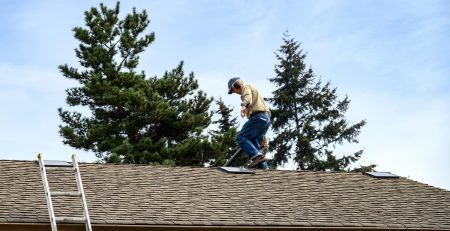
Before climbing on a ladder or calling a roofing contractor, start with a simple walk around your home.
Look for visible warning signs such as:
- Missing shingles
- Curling or cracked shingles
- Dark streaks or discoloration
- Sagging rooflines
- Debris accumulation
- Damaged gutters or downspouts
- Flashing pulling away near chimneys or walls
Pay close attention to areas where snow and ice typically collect during winter. Roof valleys and lower roof sections often experience the most stress.
Binoculars can help you get a closer look without putting yourself at risk.
If you notice anything unusual, it may be time to schedule a professional roof inspection.
Check for Missing or Damaged Shingles
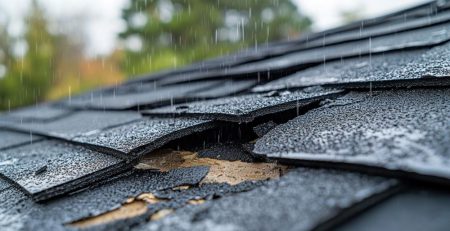
Michigan windstorms and freeze-thaw cycles can loosen shingles over the winter.
Look for shingles that are:
- Missing completely
- Cracked
- Curled upward
- Lifted at the edges
- Balding or losing granules
Asphalt shingles rely on their granule surface to protect against UV rays and weather exposure. If you notice excessive granules collecting in gutters or near downspouts, your shingles may be aging prematurely.
Even a few damaged shingles can allow moisture to work underneath the roofing system.
Addressing small shingle problems early is often far less expensive than waiting until water damage develops.
Inspect Gutters and Downspouts
Your gutter system plays a major role in protecting your roof and foundation.
Spring is the ideal time to clear out debris that accumulated over the winter, including:
- Leaves
- Pine needles
- Twigs
- Dirt
- Roofing granules
Clogged gutters can cause water to back up beneath shingles or overflow near your home’s foundation.
While inspecting your gutters, look for:
- Sagging sections
- Loose fasteners
- Rust spots
- Leaks at joints
- Improper drainage
Downspouts should direct water away from the home, not dump it directly near the foundation.
Poor drainage can contribute to basement moisture problems and landscaping erosion.
Look for Signs of Ice Dam Damage
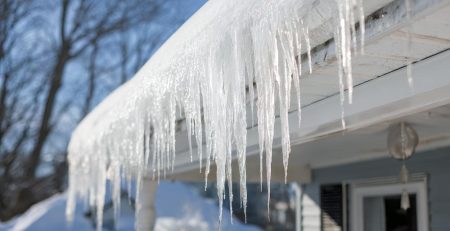
Ice dams are a common winter roofing issue throughout Michigan.
When heat escapes through the attic, snow on the roof melts and refreezes near the colder roof edge. Over time, this can force water underneath shingles.
Spring often reveals the damage left behind by ice dams.
Common signs include:
- Water stains on ceilings
- Peeling paint
- Damp attic insulation
- Mold or mildew odors
- Warped drywall
Even if leaks seem minor, moisture trapped inside walls or attic spaces can lead to long-term structural problems.
If your home experienced ice dams over the winter, it’s a good idea to have your roof professionally inspected before the next cold season arrives.
Examine Roof Flashing
Flashing protects vulnerable areas where the roof meets walls, chimneys, skylights, or vents.
Because flashing expands and contracts during Michigan winters, it can loosen over time.
Damaged flashing is one of the most common causes of roof leaks.
Inspect areas around:
- Chimneys
- Plumbing vents
- Roof valleys
- Skylights
- Dormers
“Taking time to inspect your roof, clean gutters, monitor drainage, and schedule professional evaluations can help homeowners avoid unexpected roofing emergencies later in the year.”
Look for gaps, rust, lifting edges, or cracked sealant.
Even if shingles appear fine, compromised flashing can allow water intrusion during spring rainstorms.
Check Your Attic for Moisture or Ventilation Issues
Your attic can reveal roofing problems that are not visible from outside.
During spring, inspect your attic for:
- Damp insulation
- Mold growth
- Water stains
- Condensation
- Musty odors
- Sunlight coming through roof boards
Poor attic ventilation can contribute to heat buildup, moisture accumulation, and reduced roof lifespan.
Proper airflow helps regulate attic temperatures and reduce stress on roofing materials year-round.
In Michigan homes, ventilation issues are often connected to winter ice dam formation as well.
Trim Nearby Tree Branches
Trees can cause significant roof damage during spring and summer storms.
Branches hanging over your roof may:
- Scratch shingles
- Drop debris into gutters
- Increase moss growth
- Break during storms
Trimming back overhanging limbs can help reduce unnecessary wear on your roofing system.
It also helps limit shade and moisture retention that can contribute to algae or moss growth.
Watch for Moss and Algae Growth
Spring moisture combined with shaded roof areas can create ideal conditions for moss and algae.
While algae streaking is often cosmetic, moss growth can become more serious.
Moss traps moisture against roofing materials, which may lead to premature deterioration over time.
Avoid pressure washing your roof, as it can damage shingles and reduce their lifespan.
Instead, consult a roofing professional about safe roof cleaning methods if moss or algae become excessive.
Schedule a Professional Roof Inspection
Even if everything appears normal, spring is a smart time to schedule a professional roof inspection.
A trained roofing contractor can safely identify issues homeowners may overlook, including:
- Soft spots
- Hidden storm damage
- Flashing failures
- Ventilation concerns
- Early signs of leaks
- Insurance-related damage
Professional inspections are especially important if your roof is:
- More than 10-15 years old
- Exposed to recent storms
- Showing visible wear
- Experiencing recurring leaks
Routine inspections can help homeowners plan for future repairs or replacement before problems become urgent.
Common Spring Roof Problems in Michigan
Michigan homeowners frequently experience seasonal roofing issues such as:
Wind Damage
Spring windstorms can loosen shingles or expose vulnerable roof edges.
Hail Damage
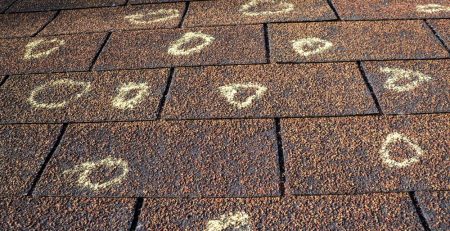
Spring and summer hailstorms may bruise shingles or damage flashing and vents.
Freeze-Thaw Expansion
Repeated freezing and thawing can create small cracks that worsen over time.
Heavy Rain Exposure
Michigan spring storms often test the effectiveness of flashing, gutters, and drainage systems.
Catching these issues early can help prevent interior water damage and costly structural repairs.
When Roof Repairs May Not Be Enough
Sometimes spring inspections uncover more widespread roofing issues.
Signs your roof may be nearing replacement include:
- Widespread shingle deterioration
- Frequent leaks
- Sagging roof decking
- Extensive granule loss
- Repeated repair needs
- Roof age approaching 20+ years
A roofing professional can help determine whether repairs are sufficient or if replacement may be the better long-term investment.
Protect Your Home Before Summer Storm Season
Spring roof maintenance is about more than appearances. It’s about protecting your home before Michigan’s severe weather season ramps up.
A small issue discovered in April can become a major leak during a summer thunderstorm if ignored.
Taking time to inspect your roof, clean gutters, monitor drainage, and schedule professional evaluations can help homeowners avoid unexpected roofing emergencies later in the year.
FAQs About Spring Roof Maintenance
Most homeowners should inspect their roof at least twice per year — typically in the spring and fall — along with after major storms.
Spring roof maintenance often includes inspecting shingles, checking flashing, cleaning gutters, examining attic ventilation, and looking for signs of leaks or winter damage.
Yes. Wind, snow, ice, and freeze-thaw cycles can weaken shingles and flashing before visible leaks appear.
Gutters help direct water away from the roof and foundation. Clogged or damaged gutters can contribute to leaks and moisture problems.
Spring and early summer are ideal times to address roofing issues before heavy summer storm activity and peak roofing season demand.
Work With a Roofing Contractor Familiar With Michigan Conditions
Michigan roofs face unique seasonal challenges. Working with a roofing contractor that understands local weather conditions, ventilation needs, ice dam prevention, and storm-related damage can make a major difference in the long-term performance of your roof.
At Legend Roofing LLC, we help West Michigan homeowners identify roofing issues early and provide honest recommendations based on the condition of the roof — not high-pressure sales tactics.
Whether you need a seasonal roof inspection, roof repairs, or guidance on roof replacement options, spring is the perfect time to make sure your home is ready for the months ahead.
Call (616) 600-1130 or contact us here to schedule your roof inspection today.