When to File a Homeowners Insurance Claim For Your Roof
When your roof springs a leak or shingles go missing after a storm, one of your first questions is likely: Should I file a homeowners insurance claim?
But not all roof damage is treated equally by insurance companies. Understanding the difference between storm damage and normal wear and tear is critical—especially for homeowners in West Michigan, where weather can be unpredictable and harsh.
In this blog, we’ll explain what qualifies for insurance coverage, how to document damage, and what steps you should take if your roof is compromised.
What Is Storm Damage?
Storm damage refers to unexpected and sudden damage caused by natural weather events. In Michigan, this can include:
- Hail impact
- High winds (often above 45 mph)
- Falling tree limbs
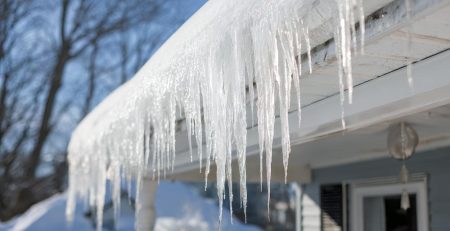
- Ice or snow buildup leading to structural issues
- Heavy rainfall causing leaks
This type of damage is typically covered under most homeowners insurance policies, assuming the roof was in good condition before the event.
Signs of Storm Damage:
- Missing or lifted shingles
- Bruising or dents from hail
- Torn or bent flashing
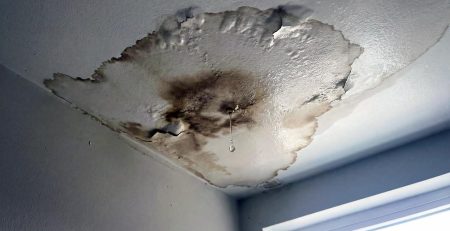
- Leaking near the attic or ceiling
What Is Wear and Tear?
Wear and tear is the natural aging and deterioration of your roof over time due to exposure to the elements, UV rays, and temperature fluctuations. It’s not covered by insurance because it’s considered the homeowner’s responsibility to maintain the roof.
Signs of Wear and Tear:
- Curling or cracking shingles
- Granule loss in gutters
- Moss or algae growth
- Discolored spots
- Slow-forming leaks over time
West Michigan-Specific Storm Risks
West Michigan is no stranger to high winds, lake-effect snow, and freeze-thaw cycles. These conditions make it even more important to:
- Inspect your roof regularly
- Schedule professional checkups after a major weather event
- Understand your insurance policy limits and exclusions
How to Know If It’s Worth Filing a Claim
- Determine the Cause of Damage
Can you pinpoint a specific storm or recent weather event that likely caused the damage? - Check Your Deductible
Compare the cost of repairs to your deductible. If your deductible is $1,000 and repairs are $1,200, it may not be worth filing. - Get a Professional Roof Inspection
Have a licensed roofing contractor assess the damage. Legend Roofing provides storm damage evaluations and can document findings to support your claim.
“Understanding the difference between storm damage and wear and tear can help you make informed decisions when disaster strikes. It also ensures you don’t miss out on coverage you’re entitled to.”
What to Do After a Storm
- Inspect Your Property Safely
Check your roof, siding, and gutters from the ground using binoculars. Don’t climb on the roof yourself. - Document the Damage
Take date-stamped photos or videos. Capture any fallen limbs, hailstones, or damaged materials. - Call Your Roofing Contractor
A professional can confirm whether the damage is storm-related and provide a written estimate. - Notify Your Insurance Company
File your claim promptly and provide all documentation. Be prepared for an adjuster visit.
Tips for Filing a Claim
- Know your deductible and policy limits
- Avoid hiring “storm chasers” from out of town
- Don’t sign contracts with roofers who want to speak with your insurer directly before you approve anything
- Get multiple quotes if needed
What If Your Claim Is Denied?
Insurers may deny a claim if they believe the damage was due to:
- Lack of maintenance
- Pre-existing damage
- Normal aging
If your claim is denied and you disagree, you can:
- Request a second inspection
- Provide additional evidence
- Hire a public adjuster to represent your case
Prevention Is Key
You can reduce the likelihood of storm-related damage by:
- Keeping trees trimmed near your home
- Cleaning gutters regularly
- Having your roof inspected annually
- Replacing your roof when it reaches the end of its lifespan
FAQ: Filing a Homeowners Insurance Claim in West Michigan
If the damage is clearly storm-related and your roof was in good shape before, most policies will offer coverage after your deductible is met.
Insurance companies have deadlines. Most allow 6-12 months, but filing sooner is always better to avoid disputes.
DIY repairs can jeopardize your claim. Always let a licensed contractor inspect and document the damage first.
This can be tricky. That’s why it’s best to have a qualified roofing professional inspect your roof and provide supporting evidence.
Final Thoughts: Protecting Your Roof and Your Wallet
Understanding the difference between storm damage and wear and tear can help you make informed decisions when disaster strikes. It also ensures you don’t miss out on coverage you’re entitled to.
If you’re not sure what kind of damage your roof has, the safest step is to call a professional.
Call Legend Roofing at (616) 600-1130 or contact us here for a free roof inspection and storm damage evaluation. We’ll help you get the facts, protect your home, and guide you through the homeowners insurance claim process with confidence.