How Attic Insulation Affects Your Roof’s Health During Winter
When Michigan homeowners think about attic insulation, the first concern is usually comfort and energy efficiency. A properly insulated attic keeps indoor temperatures stable and heating bills manageable during long winter months. However, insulation does much more than regulate comfort—it directly impacts the structural health and longevity of your roof.
In West Michigan, where lake-effect snow, subfreezing temperatures, and frequent freeze-thaw cycles are common, poor attic insulation can quietly contribute to serious winter roof damage. Ice dams, attic leaks, ceiling stains, and premature shingle failure are often symptoms of a deeper issue: Michigan attic heat loss.
Understanding how attic insulation roofing systems work together can help homeowners prevent costly repairs and extend the life of your roof.
The Relationship Between Your Attic and Your Roof
Your attic acts as a thermal barrier between your heated living space and the outdoor environment. In winter, the goal is to keep the attic temperature as close to the outdoor temperature as possible. When that balance is maintained, snow on the roof melts slowly and evenly, reducing stress on shingles and minimizing moisture intrusion.
Problems begin when warm air escapes from the living areas below into the attic. Without adequate insulation and proper air sealing, rising heat warms the underside of the roof deck. Even if outdoor temperatures are well below freezing, the roof surface may become warm enough to melt accumulated snow.
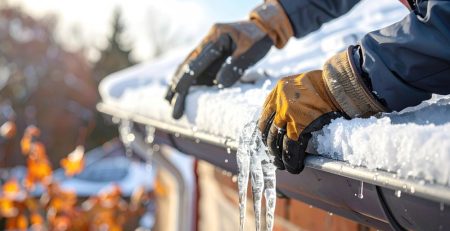
That melting snow flows downward until it reaches the colder roof edges and eaves. There, it refreezes, forming ridges of ice known as ice dams. Water trapped behind these dams can back up under shingles and penetrate the roof structure.
This cycle is one of the leading causes of winter roof damage in Michigan homes.
Why Michigan Homes Are Especially Vulnerable
Many homes throughout West Michigan were built before modern energy codes required higher insulation standards. Older homes frequently contain:
- Thin or deteriorated insulation layers
- Gaps around attic hatches and recessed lighting
- Poorly sealed ductwork running through attic spaces
- Blocked soffit vents that restrict airflow
Even newer homes are not immune. Insulation can settle over time, leaving uneven coverage that allows localized heat escape. When combined with heavy snow accumulation common in West Michigan, these weak points become risk areas.
Michigan attic heat loss often goes unnoticed until symptoms appear on the roof or inside the home.
How Poor Insulation Leads to Winter Roof Damage
The most visible consequence of insulation problems is ice dam formation, but the damage does not stop there. Repeated freeze-thaw cycles stress roofing materials in multiple ways.
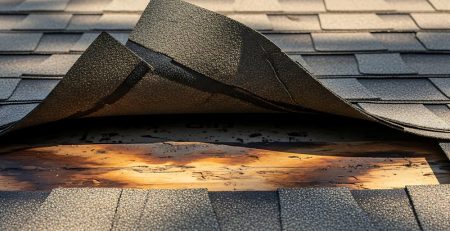
When warm attic air causes snow to melt unevenly, water can seep beneath shingles before refreezing. As that water freezes, it expands. This expansion can lift shingles slightly, loosen nails, and create small gaps where future moisture can enter.
Moisture trapped beneath the roof deck can also lead to condensation buildup. On extremely cold nights, condensation may freeze on the underside of the roof decking, creating frost. When temperatures rise, that frost melts and drips into insulation and framing members.
Over time, this moisture exposure can result in:
- Mold and mildew growth in attic spaces
- Rotting roof decking
- Compromised structural integrity
- Shortened shingle lifespan
These forms of winter roof damage often develop gradually, making early detection critical.
“By addressing attic insulation roofing performance now, West Michigan homeowners can extend the lifespan of their roof and minimize the likelihood of costly winter roof damage.”
Warning Signs of Insulation-Related Roofing Problems
Homeowners should remain alert for subtle clues that attic insulation roofing performance is compromised. Uneven snow melt patterns are one of the most common indicators. If portions of your roof clear while others remain covered, heat may be escaping through poorly insulated areas.
Other signs include persistent icicles along gutters, visible frost inside the attic, damp insulation, and unexplained increases in heating costs. Interior water stains or small ceiling leaks during winter thaw periods may also point to insulation and ventilation deficiencies.
If these warning signs are present, a professional roof and attic evaluation is advisable.
The Importance of Ventilation in Attic Insulation Roofing Systems
Insulation works best when paired with balanced ventilation. Proper airflow allows cold outdoor air to enter through soffit vents and exit through ridge or gable vents. This circulation keeps attic temperatures consistent and prevents excess moisture buildup.
Without adequate ventilation, even well-insulated attics can trap humid air. Moisture accumulation increases the risk of condensation, frost, and structural damage. In West Michigan homes, blocked soffit vents and insufficient ridge ventilation are common issues.
A roofing professional can evaluate whether your attic system provides balanced intake and exhaust airflow to support winter performance.
Practical Upgrade Tips for Michigan Homeowners
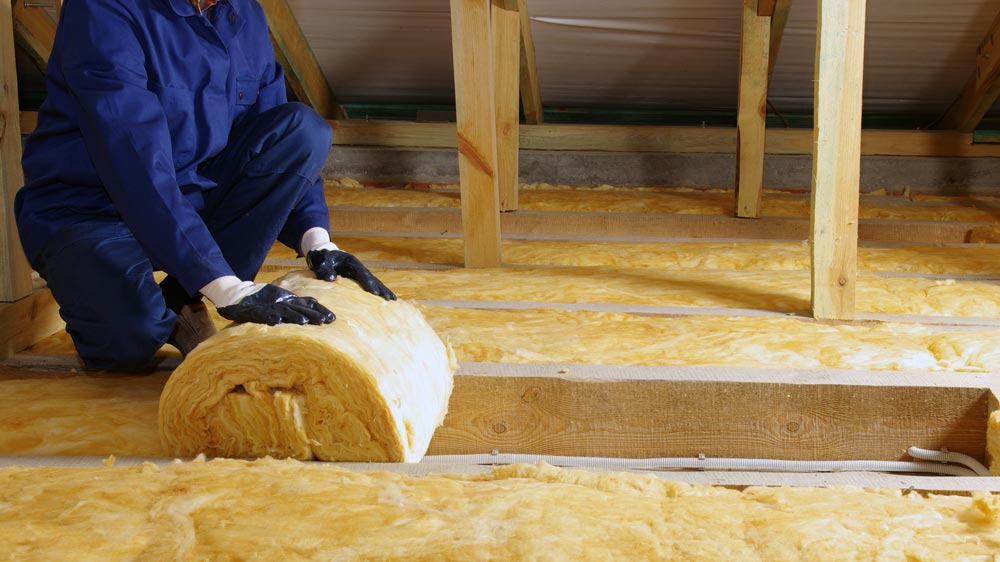
Improving attic insulation is one of the most cost-effective strategies for reducing winter roof damage risk. Homeowners should consider upgrading insulation levels to meet recommended R-values for northern climates, typically between R-49 and R-60.
Air sealing is equally important. Sealing gaps around attic access points, recessed lighting, plumbing penetrations, and duct connections helps prevent warm air from escaping into the attic.
When adding insulation, ensure that soffit vents remain unobstructed. Installing ventilation baffles can help maintain airflow while increasing insulation depth.
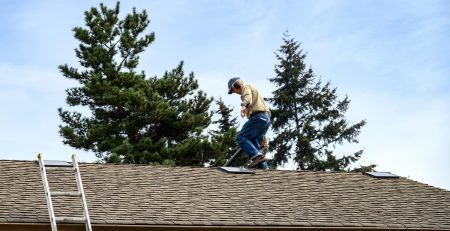
For older Michigan homes, combining insulation upgrades with a professional roof inspection provides a comprehensive strategy to protect against winter damage.
Poor attic insulation allows heat to escape into the attic, warming the roof deck and causing uneven snow melt. This can lead to ice dams, moisture buildup, and long-term winter roof damage in Michigan homes.
For northern climates like West Michigan, attic insulation should typically be between R-49 and R-60. Many older homes fall below this range and may benefit from upgrades.
Insulation is a major factor, but it must work together with proper attic ventilation and air sealing. Without balanced airflow, moisture can still accumulate and cause damage.
Signs of Michigan attic heat loss include uneven snow melt on the roof, large icicles, frost inside the attic, and rising heating bills.
Yes. Maintaining stable attic temperatures reduces freeze-thaw stress, moisture intrusion, and shingle deterioration, helping your roof last longer.
Absolutely. A thorough roof inspection in winter should include both exterior roofing materials and attic insulation/ventilation performance.
Long-Term Benefits of Addressing Michigan Attic Heat Loss
Correcting insulation deficiencies offers benefits beyond preventing ice dams. Homeowners often experience lower energy bills, improved indoor comfort, and reduced strain on . Most importantly, roofing materials perform more consistently when attic temperatures remain stable.
By addressing attic insulation roofing performance now, West Michigan homeowners can extend the lifespan of their roof and minimize the likelihood of costly winter roof damage.
At Legend Roofing, we evaluate both the exterior roofing system and interior attic conditions to identify insulation-related risks. Our goal is to help homeowners understand how their roof and attic function together as a system.
Call (616) 600-1130 or contact us here to schedule an inspection and ensure your roof is prepared for Michigan’s winter conditions.