Don’t Ignore a Small Roof Issue Over Winter
A small roof issue is easy to brush off, especially as winter settles into West Michigan. You might notice a shingle lift after a windy fall storm, a faint water stain on the ceiling that has not changed much, or a section of flashing that looks loose even though nothing is actively leaking yet. When temperatures drop, many homeowners tell themselves they will deal with it in spring.
That delay can get expensive.
In Michigan, winter often turns small roofing problems into larger, more costly repairs. Freeze-thaw cycles, snow buildup, ice formation, and constant moisture exposure create ideal conditions for damage to spread. What feels manageable in November can turn into a roof leak, attic moisture problem, or structural repair by February.
If you want to avoid larger repairs, you need to understand roof damage winter risk. The good news is that you can prevent many winter roofing problems when you address small concerns early.
Why Minor Roof Problems Get Worse in Winter
Your roof faces weather all year, but winter puts it under a different kind of pressure. In warmer months, a missing shingle or small flashing gap may not cause immediate visible damage. During a Michigan winter, freezing temperatures, melting snow, wind-driven moisture, and expanding ice repeatedly test those same weak spots.
Roof repair delays usually get expensive for one simple reason: water gets in, and winter makes that water more destructive.
During the day, sunlight or slightly warmer temperatures can melt snow on parts of the roof. That moisture slips into cracks, seams, and other openings. When temperatures fall overnight, the water freezes and expands. As it expands, it widens small gaps, loosens nearby materials, and creates new paths for moisture intrusion.
That cycle can repeat dozens of times during a single West Michigan winter.
The Risk of Ignoring Missing or Damaged Shingles
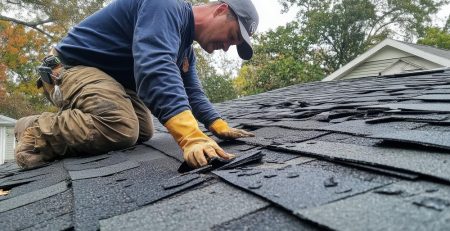
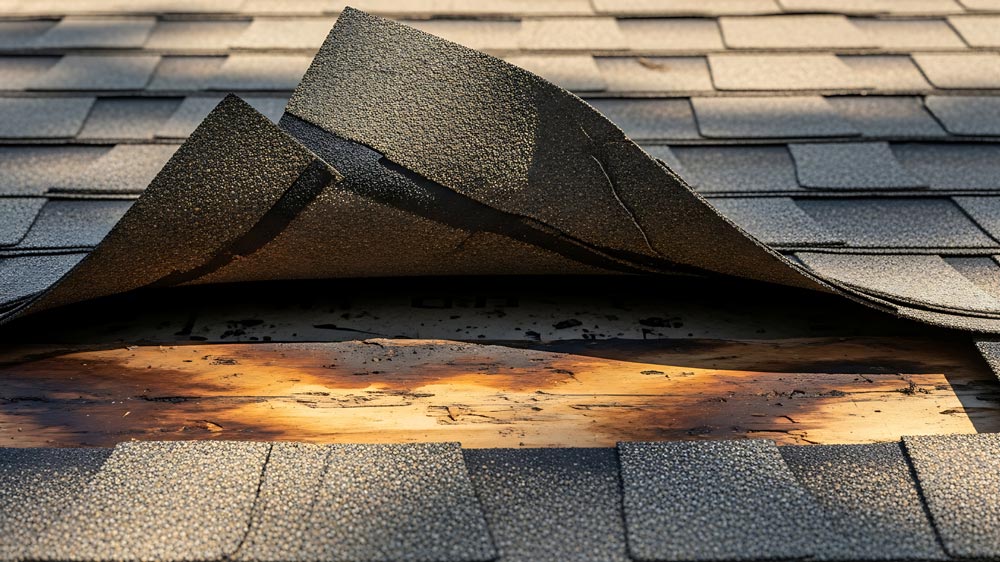
A single missing shingle may not seem urgent, especially if you do not see a leak right away. But shingles work together as a layered system that sheds water. When one shingle goes missing, the materials underneath lose some of their protection.
Under normal conditions, underlayment may protect the roof deck for a short time. In winter, though, prolonged snow and ice exposure can wear that protection down much faster.
Here is how a small shingle issue can grow:
- Wind lifts neighboring shingles more easily once one section weakens.
- Snow collects in the exposed area and melts unevenly.
- Water slips beneath nearby shingles and freezes.
- Repeated freezing loosens fasteners and expands the damaged section.
By spring, a single missing shingle can turn into a larger repair involving multiple roof sections, damaged decking, or interior moisture stains.
Why Small Leaks Rarely Stay Small
Ceiling stains and attic drips often start quietly. A faint yellow mark near the corner of a ceiling may not look serious enough to demand immediate action. But when roof infiltration causes that stain, winter usually makes the problem worse.
Snow sitting on the roof creates a long-lasting source of moisture. As that snow melts, water can continue feeding a leak for days instead of hours. If the leak refreezes and reopens over and over, moisture can soak insulation, stain drywall, and create hidden mold conditions inside the attic.
In many cases, the visible stain inside the home shows only part of the problem. Water can travel along rafters, drip into insulation, and spread before it ever appears on the ceiling below.
That is one reason Michigan winter roof issues often seem to appear suddenly. The damage may have started earlier, but winter speeds it up.
Loose Flashing Can Become a Serious Entry Point
Flashing protects some of the most vulnerable areas of the roof, including chimneys, skylights, plumbing vents, and valleys. If flashing becomes loose, rusted, bent, or starts pulling away, winter weather can exploit that weakness quickly.
Because flashing sits at joints and transitions, those areas naturally handle more water movement. Add snow, ice, and freeze-thaw pressure, and a minor flashing issue can quickly turn into a major leak source.
Common warning signs of flashing problems include:
- Water stains near fireplaces or vent penetrations
- Dripping during snowmelt periods
- Visible lifting or separation around metal edges
- Ice buildup near roof joints
When homeowners ignore loose flashing over winter, water intrusion often spreads farther than expected. Once moisture gets around penetrations, repairs may involve roofing materials, trim, drywall, insulation, and framing.
Ice Makes Everything More Aggressive
One major reason roof damage winter risk runs so high in Michigan is simple: water turns into ice. Rain causes damage on its own, but ice intensifies the problem.
When water enters even a tiny opening and freezes, it expands. That pressure can lift shingles, pull flashing apart, widen cracks, and loosen nails. Ice dams can also form along roof edges, trap melting water behind them, and force that water back under the roof covering.
If your roof already has a weak point, winter does not just reveal it. Winter makes it worse.
This is especially true in West Michigan, where daytime temperatures often rise above freezing and nighttime temperatures quickly drop back down. Those constant swings create ideal conditions for repeated freeze-thaw damage.
“Missing shingles, minor leaks, and loose flashing all become more vulnerable under winter conditions. The longer they are left alone, the greater the chance they will lead to moisture intrusion, attic damage, and more expensive repairs.”
Roof Repair Delays Can Affect More Than the Roof
Many homeowners think roofing problems stay isolated to the exterior surface, but delays can affect multiple parts of the home. Once moisture gets in, damage can move beyond shingles and flashing.
A small roof issue left alone during winter can lead to:
- Wet attic insulation that no longer performs well
- Mold or mildew growth in hidden areas
- Stained or softened drywall ceilings
- Damaged roof decking or wood framing
- Higher heating bills caused by compromised insulation
That is why roof repair delays become so expensive. The roof problem itself may still look manageable, but the secondary damage adds time, complexity, and cost.
Older Michigan Homes Are Especially Vulnerable
Older homes across West Michigan often combine aging roofing materials, outdated ventilation, and inconsistent attic insulation. That does not mean those homes were poorly built, but it does mean winter can accelerate small roofing problems more quickly.
A worn shingle edge or aging flashing detail may hold through fall, but winter moisture can expose weaknesses fast. Homes with older patchwork repairs may face even greater risk if those areas are already near the end of their service life.
That is why homeowners should take minor concerns seriously before winter deepens.
What Homeowners Should Watch For
Even when a roof issue seems small, winter often leaves clues that the damage is spreading. Homeowners should watch for changes both inside and outside the home.
Some of the clearest warning signs include:
- A ceiling stain that gets darker or larger
- New drips during midday thaw periods
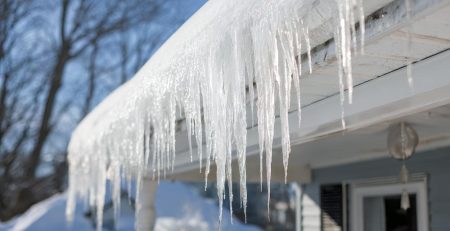
- Thick icicles or ice buildup near one section of the roof
- Drafts or damp smells coming from the attic
- Granules or roofing debris near downspouts
- Visible shingle movement after wind or snow events
When you catch these warning signs early, you often keep a manageable repair from turning into a much larger project.
Why Proactive Repairs Make Sense
Some homeowners assume winter leaves them with no repair options, but that is not always true. Depending on the weather and the issue itself, roofing professionals can often inspect, diagnose, and sometimes make targeted repairs during colder months.
Even if a full replacement does not make sense right away, early identification helps you prevent surprises and make a smarter plan.
A proactive roof inspection can help you determine:
- Whether the roof is actively taking on water
- Whether a temporary or permanent repair makes sense now
- Whether attic insulation or ventilation is making the problem worse
- How urgent the repair is before spring storms arrive
That is why homeowners should address many Michigan winter roof issues as soon as they notice them instead of postponing them automatically.
The Cost of Waiting Until Spring
Waiting until spring may feel practical, but by then the repair often is no longer small. More water, more freeze-thaw cycles, and more structural exposure usually mean more labor and more materials.
A repair that might have involved one small section of shingles or flashing in early winter can turn into decking replacement, insulation replacement, stain remediation, and interior repairs by late winter or early spring.
In other words, waiting usually costs more than time. It usually costs more damage.
FAQ About Ignoring Small Roof Issues
Yes. In Michigan, freeze-thaw cycles, snow buildup, and ice can make a small issue worse much faster than many homeowners expect. Water can get into tiny gaps, freeze, expand, and create more damage over time.
It can be. A missing shingle exposes the materials underneath to moisture, wind, and snow. During winter, that exposure can lead to water intrusion, weakened surrounding shingles, and even damage to the roof deck.
Even a small stain can be a sign that moisture is getting in. The visible mark is often only part of the issue, since water can travel through the attic before it appears on a ceiling or wall.
Winter conditions are harsher on roofing materials. Repeated freezing and thawing can widen cracks, loosen flashing, and turn a minor leak into a much bigger repair by spring.
Yes. Flashing protects vulnerable areas like chimneys, roof valleys, and vents. If it becomes loose or separated, water can get in quickly—especially during snowmelt or ice dam conditions.
Common issues include missing shingles, loose flashing, attic leaks, ice dams, ceiling stains, heavy icicles, and moisture buildup in the attic.
Usually not. Waiting often allows the problem to spread. A small repair in early winter may turn into a much larger and more expensive project by spring.
Yes. Depending on the weather and the nature of the issue, experienced roofing contractors can often perform inspections and certain repairs during winter.
Watch for darker or larger ceiling stains, new drips during warmer parts of the day, increased ice buildup, damp attic insulation, or visible changes to shingles and flashing after storms.
Final Thoughts
If you notice a small roof issue going into winter, do not assume it can safely wait. In Michigan, small roofing concerns rarely stay small once snow, ice, and freezing temperatures get involved.
Missing shingles, minor leaks, and loose flashing all become more vulnerable under winter conditions. The longer they are left alone, the greater the chance they will lead to moisture intrusion, attic damage, and more expensive repairs.
At Legend Roofing, we help West Michigan homeowners identify winter roofing risks early and make informed decisions before problems spread. If you have noticed signs of damage or suspect a minor issue is getting worse, now is the time to have it looked at.
Call Legend Roofing at (616) 600-1130 or contact us here to schedule a roof inspection and protect your home from bigger winter repair costs.